In This Article
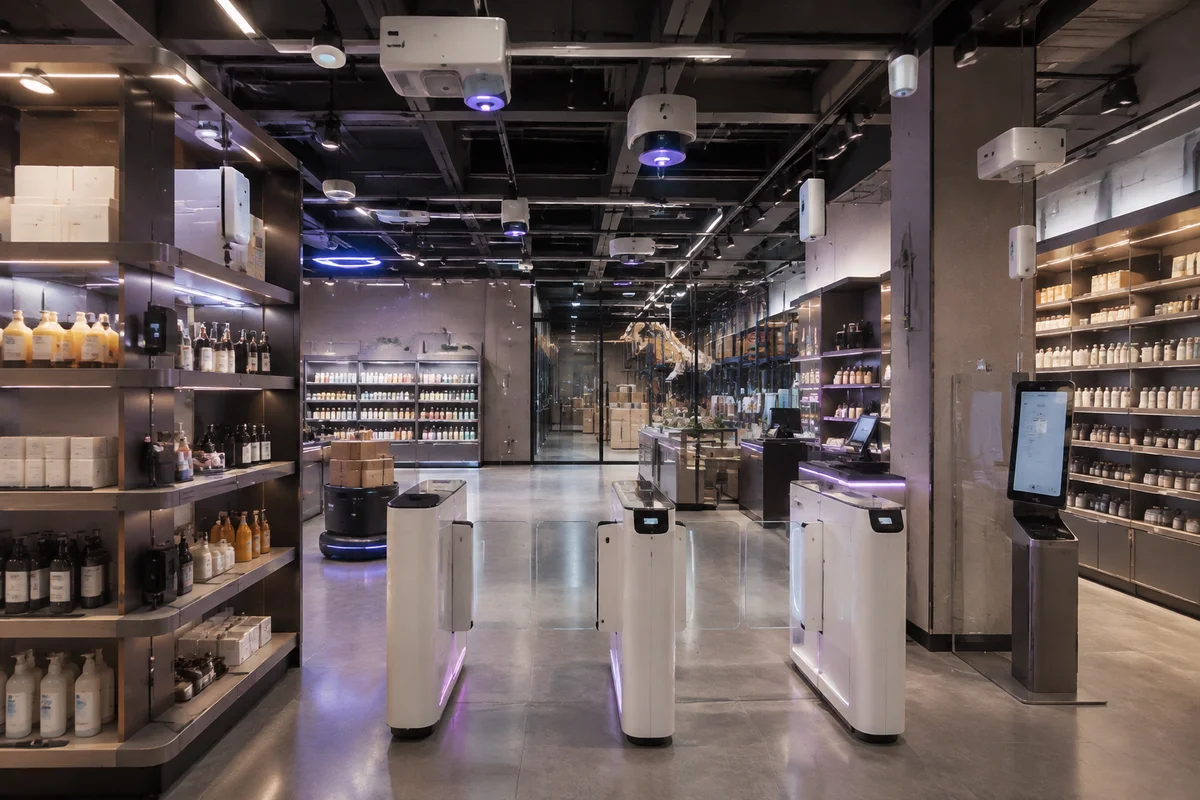
Retail chains with dozens or hundreds of branches generate a huge volume of data every day about inventory, energy use and customer traffic — data that's difficult to analyze and act on without an integrated platform. By connecting shelves, cooling equipment and branch security systems to a central platform, Industrial IoT (IIoT) enables real-time management, lower operating costs, and greater inventory accuracy. This article covers the core components of a smart store and its practical applications.
Key Takeaways
- Real-time inventory tracking and reduced stock shortages or surpluses across branches
- Reduced energy use through smart management of store cooling, heating and lighting
- Improved branch security with cameras and theft-alert sensors
- Integrating data from every branch on a single management dashboard
The Challenges of Managing Traditional Retail Chains
At many retail chains, inventory counting and updating is still done manually and periodically, raising the odds of human error, sudden stockouts, or excess inventory buildup.
On top of that, each branch's cooling, lighting and security systems are usually managed independently, with no centralized visibility, making it harder to coordinate between branches and control operating costs.
Components of a Smart Retail Platform
A smart retail platform is built from three core layers: a layer of smart sensors and tags installed on shelves and equipment, a data-transfer layer using each branch's network gateways, and a software layer that presents the data as a centralized management dashboard.
- Weight and RFID sensors for real-time monitoring of shelf inventory
- Temperature and humidity sensors for monitoring refrigerators and cold-storage warehouses
- Cameras and smart sensors for traffic counting and improved store security
Smart Inventory & Shelf Management
By connecting store shelves to an IIoT platform, each product's inventory status is continuously logged and analyzed. This continuous monitoring enables automatic alerts before a shelf runs short or empties out, preventing empty shelves and wasted storage space.
Key Applications & Benefits
- Real-time inventory monitoring, reducing stock shortages or surpluses across every branch
- Smart energy management based on each branch's operating hours and traffic level
- Cold-chain monitoring for perishable products in refrigerators and warehouses
- Improved branch security and reduced theft through real-time alerts
Summary & the Road Ahead
Smartifying retail chains is a gradual process that can start with a single branch or a single process, such as inventory management, and expand over time to the entire store network. By designing a comprehensive, home-grown IoT platform for smart retail, DanialMoj is ready to deliver a dedicated, practical solution tailored to each store's or retail chain's real needs.
Frequently Asked Questions
What exactly does smartifying a retail chain mean?
Does implementing IoT in a store require infrastructure changes?
What impact does IoT have on store inventory accuracy?
What does implementation cost for a medium-sized retail chain?
Want to find out how DanialMoj's IoT platform can be designed for your store or retail chain?
Request a Free ConsultationRelated Articles
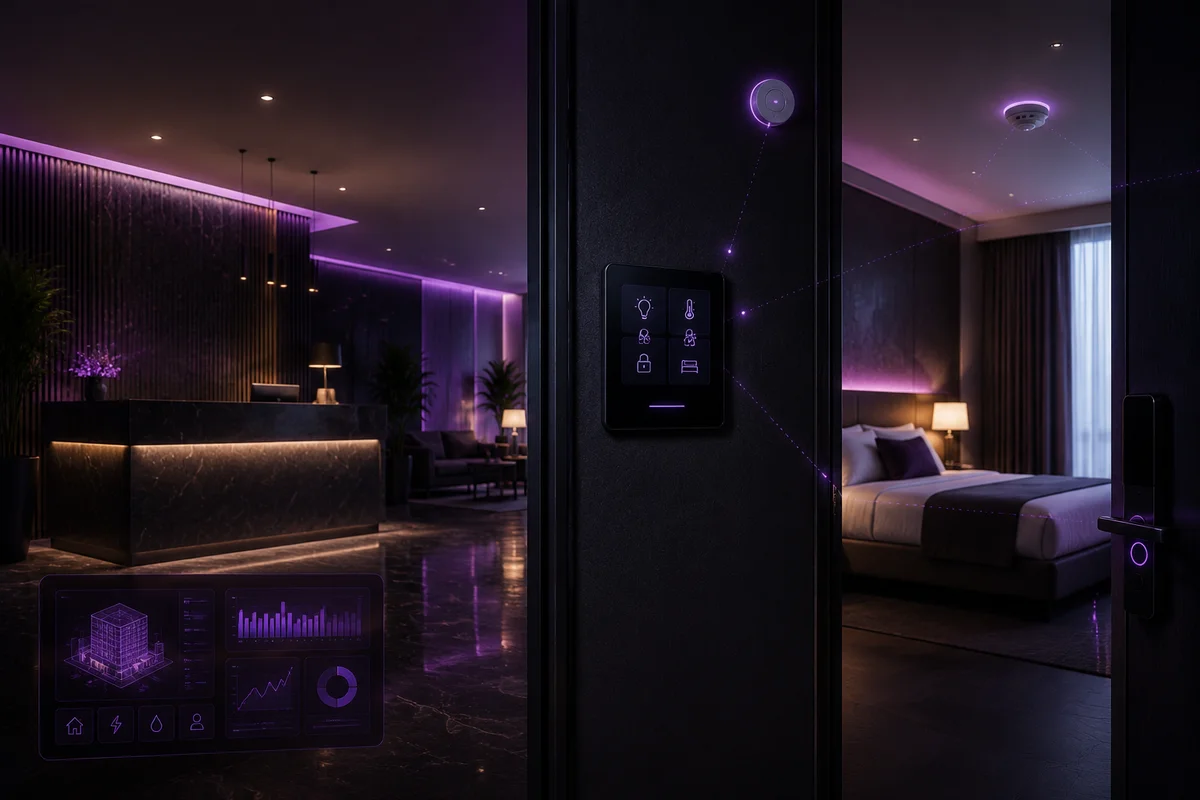
Smart Hotel Management
Smart hotel management uses IoT, room automation and data analysis to improve guest experience, energy management and staff productivity.
Read Article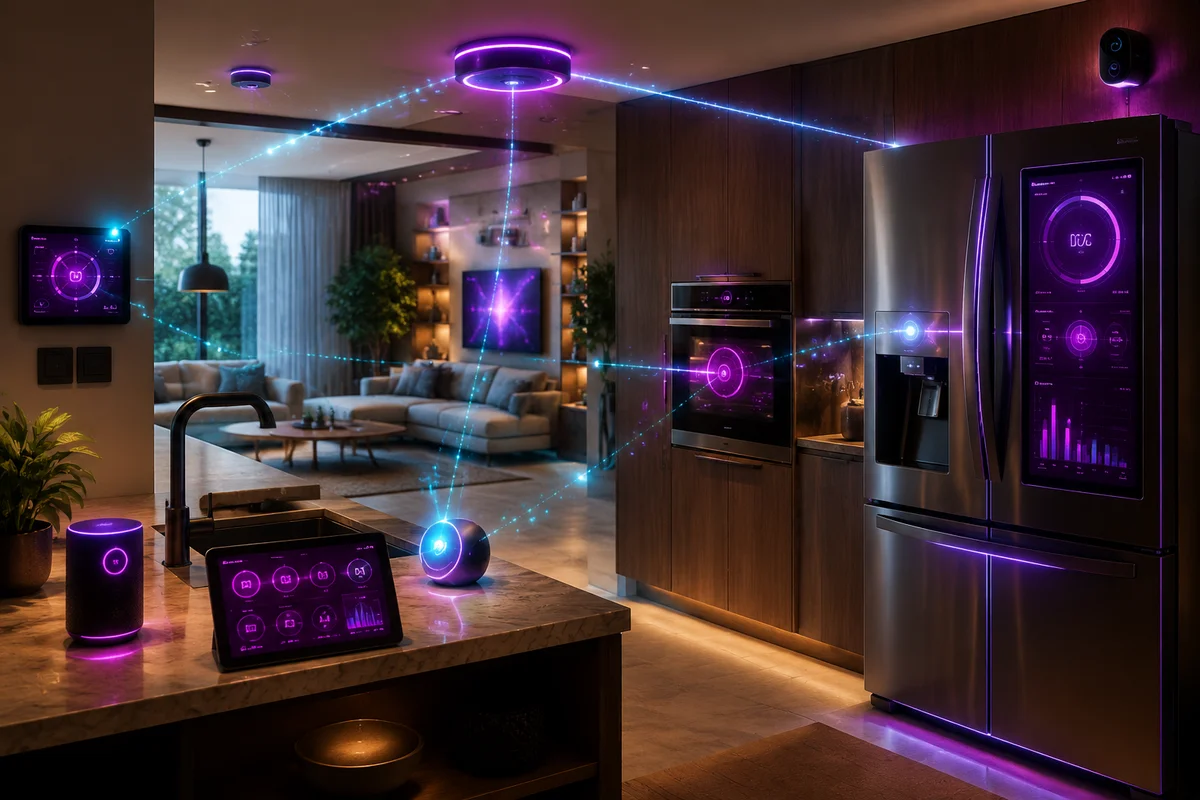
Smart Home Appliances
Connecting home appliances to smart networks for remote control and smarter energy management.
Read Article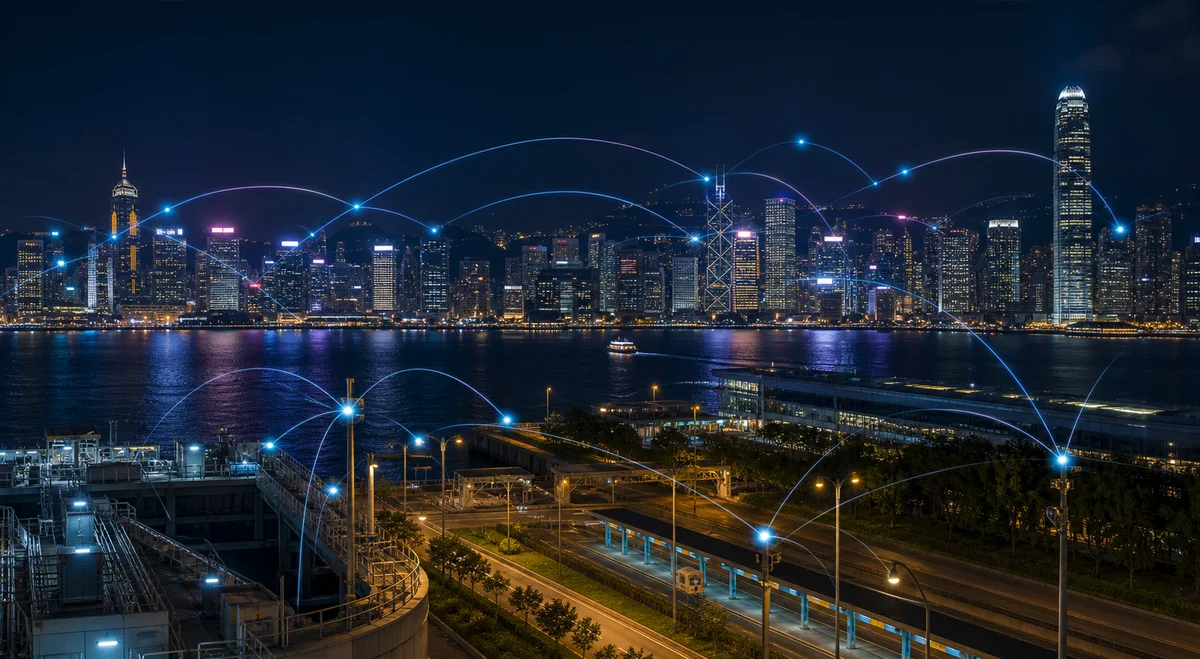
Smart City
Integrating urban infrastructure with IIoT platforms for better management of city resources and services.
Read Article
Street Lighting
Smart control of street lights to cut power consumption and improve road safety at night.
Read Article