In This Article
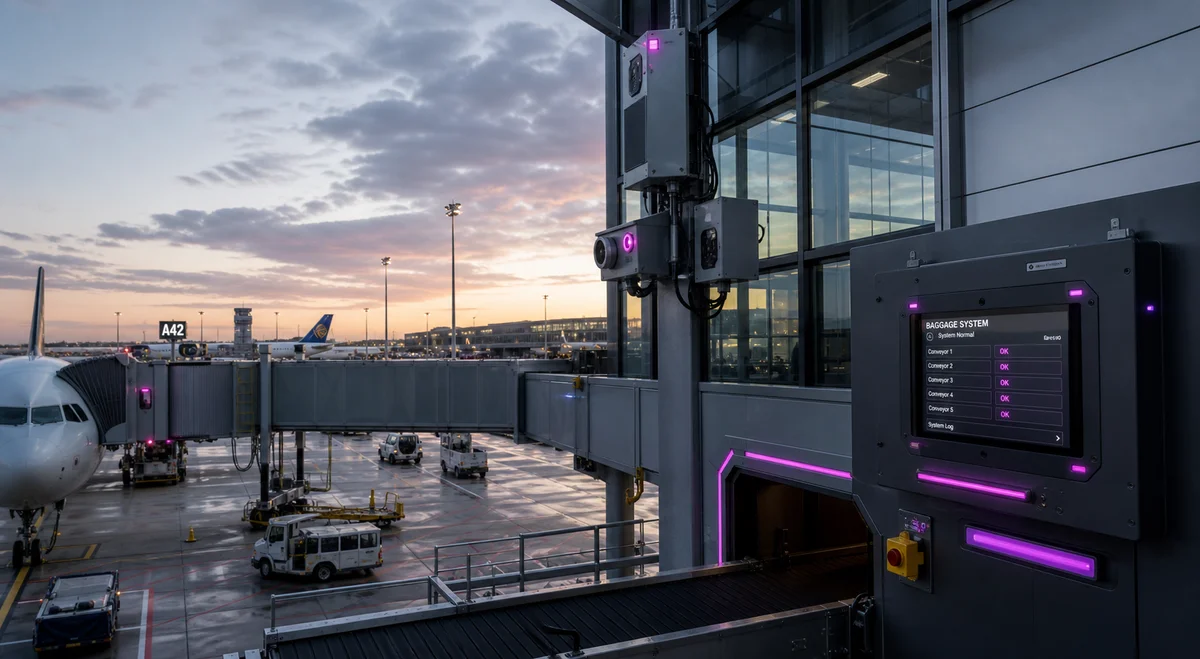
Airports manage a huge daily flow of passengers, baggage and flights — a process that, without the right tools, easily runs into delays, passenger confusion and wasted energy. Industrial IoT (IIoT) connects sensors, runway equipment and weather systems into one integrated platform, enabling real-time monitoring of flight operations, smart passenger services and improved safety. This article covers the core components of a smart airport and its practical applications.
Key Takeaways
- Real-time tracking of passenger baggage with RFID tags
- Smart monitoring of runway lighting to improve takeoff and landing safety
- A smart weather station with more than 15 types of atmospheric sensors
- Reduced flight delays through predictive maintenance of airport equipment
The Challenges of Traditional Airports
From the moment they enter an airport, passengers are often confused about finding their way to the terminal, the departure gate, or baggage claim. A lack of real-time visibility into baggage status is also one of the most common sources of passenger complaints in the aviation industry.
On top of that, ventilation and lighting systems in waiting areas typically run without any real coordination with actual passenger occupancy, which leads to inefficient energy use — while runway safety and the accuracy of weather data require continuous monitoring, free of human error.
Smart Passenger Services & Baggage Tracking
By fitting baggage with RFID tags, passengers can track the exact location of their bags at every stage of their journey through the airport right from their phone, drastically cutting the chances of lost or misdirected luggage. Connecting passengers to the airport's smart Wi-Fi network also puts real-time flight times, gate numbers and en-route weather conditions right on their phone screens.
- Real-time baggage tracking with RFID tags
- Automatic notifications for flight times and gate changes
- Smart alerts as departure time approaches
Runway Lighting & Smart Weather Stations
The runway is one of an airport's most safety-critical areas, and even the smallest lighting fault can lead to irreversible accidents. Connecting runway lights, lighting-substation transformers and control systems to an IoT platform enables real-time monitoring and remote fault detection before any failure actually occurs.
The airport's smart weather station, equipped with more than fifteen types of sensors covering wind speed and direction, air pressure, horizontal visibility, cloud ceiling and humidity, collects and transmits the atmospheric data the control tower needs every half hour — data that's critical to the safety of every takeoff and landing.
Safety, Security & Operational Automation
By connecting equipment such as refueling trucks, fire trucks, apron buses and security systems, an IoT platform makes it possible to predict maintenance needs before a failure occurs, preventing flight delays caused by equipment faults.
- Centralized management of security cameras with smart video analytics
- Health monitoring of runway service equipment
- Fewer common passenger complaints, such as flight delays and lost baggage
Summary & the Road Ahead
Airport smartification is a gradual process that can start with a single subsystem — such as runway lighting or baggage tracking — and expand over time to the entire airport operation. By designing a comprehensive, home-grown IoT platform for smart ports and airports, DanialMoj is ready to deliver a dedicated, practical solution tailored to each airport's real needs.
Frequently Asked Questions
How is a smart airport different from a traditional airport?
How does IoT help passengers?
How does a smart runway lighting system work?
Is airport smartification expensive?
Want to find out how DanialMoj's IoT platform can be designed for your airport?
Request a Free ConsultationRelated Articles
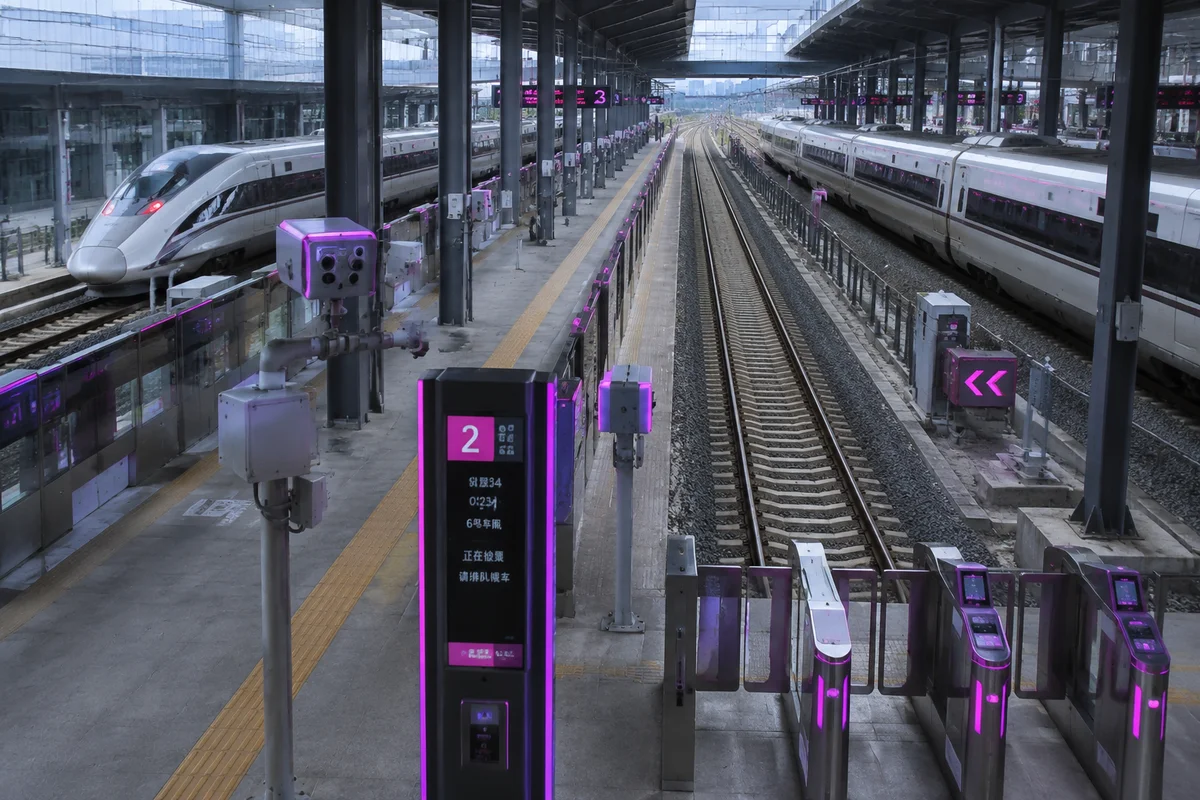
Smart Railway
Monitoring track condition, rail telecommunications and smart signaling systems to improve rail transport safety.
Read Article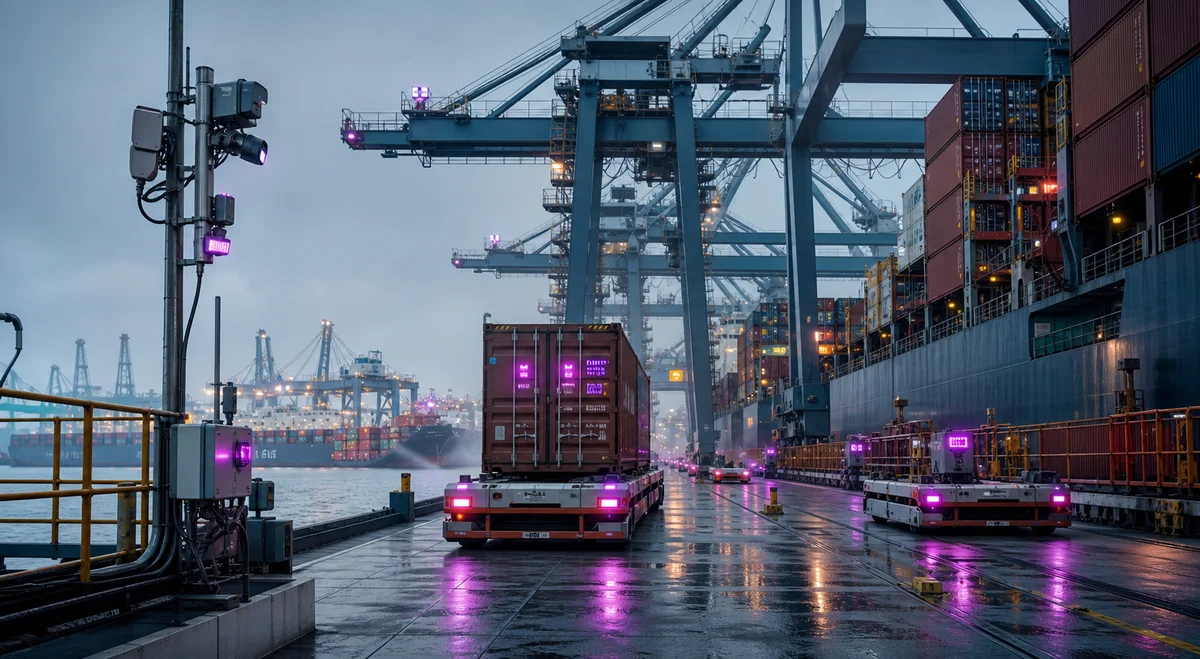
Smart Seaport
Smart cargo-handling management, port equipment monitoring and integrated security through industrial communication infrastructure.
Read Article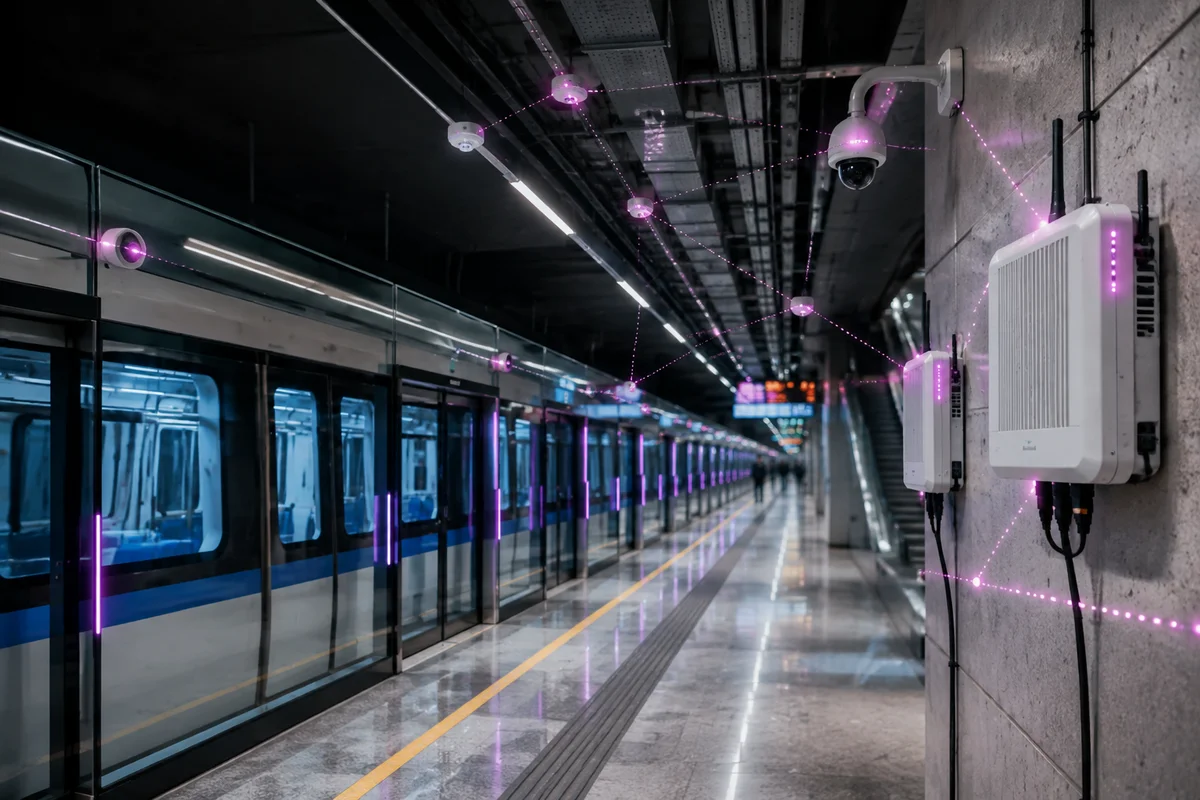
Smart Subway
Industrial telecommunications and monitoring systems to improve safety and scheduling accuracy across the subway network.
Read Article
Smart City
Integrating urban infrastructure with IIoT platforms for better management of city resources and services.
Read Article