In This Article
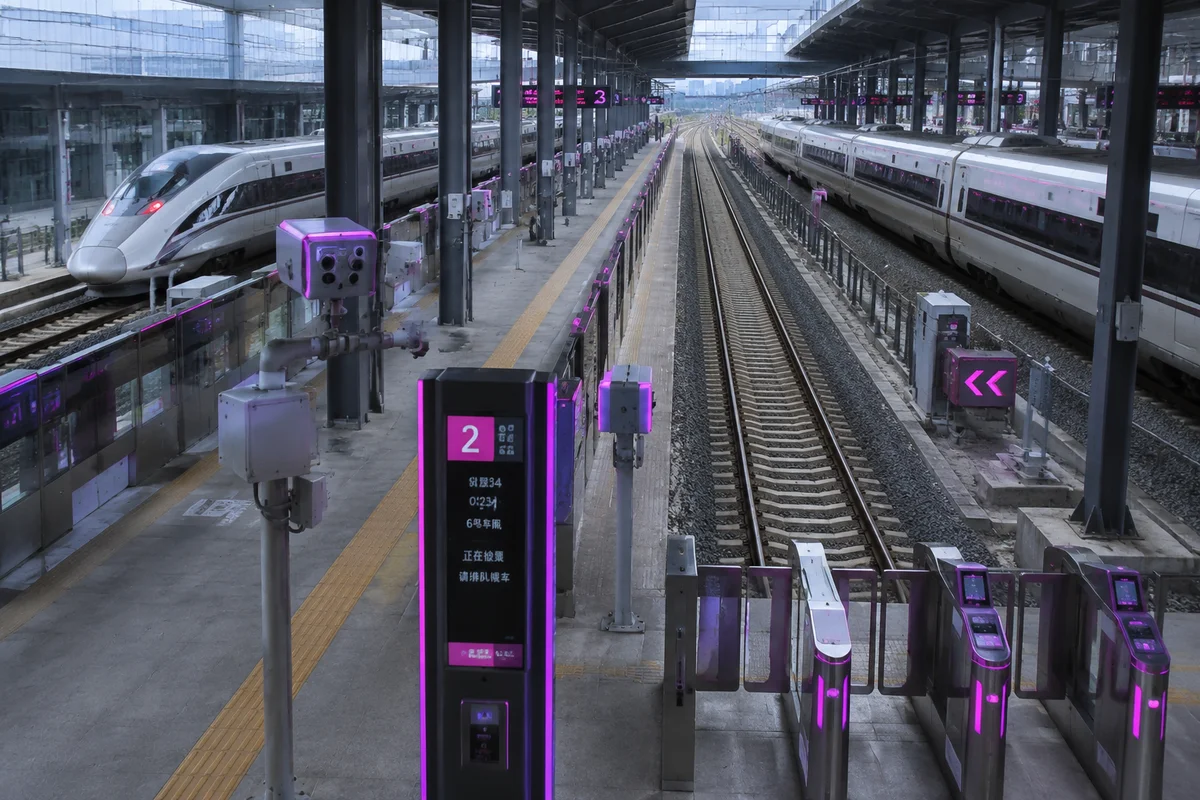
Given its distinct advantages and environmental compatibility, rail transport is an important pillar of national development — yet without the right tools, scheduling trains, keeping tracks safe and managing stations easily runs into delays, human error and wasted resources. Industrial IoT (IIoT), by connecting trackside sensors, on-board train equipment and station systems into one integrated platform, enables real-time monitoring, predictive maintenance, and greater passenger safety. This article covers the core components of a smart railway and its practical applications.
Key Takeaways
- Real-time monitoring of train and rail-equipment location, speed and technical condition
- Preventing theft and damage to trackside equipment through real-time monitoring and early warnings
- Improved travel safety through driver-drowsiness detection and obstacle identification
- Real-time information for passengers and integration of station data on a single dashboard
The Challenges of Traditional Railways
In many rail networks, scheduling train movements, delays and stops is managed with difficulty and no integrated real-time view — even though a small change to one train's schedule can ripple across a wide stretch of the network. On top of that, equipment and metal materials installed along tracks and at stations, including rail bolts, junction boxes and copper cables, are exposed to theft, and continuously physically guarding hundreds of kilometers of track is practically impossible.
Traditional rail transport systems are also typically unpredictable and prone to delay, forcing passengers to plan their trips around them. The lack of real-time visibility into track, train and station conditions makes decision-making harder for rail operators and raises the risk of incidents caused by signal failures or equipment breakdowns.
Components of a Smart Railway Platform
A smart railway platform is built from three core layers: a layer of sensors and equipment installed on tracks, railcars and stations; a data-transfer layer using wired and wireless networks and industrial gateways; and a software layer that presents the data as dashboards, maps and alerts for engineers and operators. IoT is fundamentally about connectivity; in its simplest form, an IIoT platform simply enables connections between physical objects, and in its more advanced form, it's equipped with capabilities like AI and machine learning.
- Trackside sensors, mobile rail-control sensors, and RFID tags for precisely tracking equipment and locomotives
- Rugged industrial gateways for reliable data transfer along tracks and at stations
- A centralized software platform for data analysis, event management, and issuing smart alerts
Smart Monitoring of Tracks, Trains & Rail Equipment
On-board sensors installed on rolling stock continuously log parameters such as wheel and bearing temperature, vibration and brake-system status, and send the data through the electronic brake communication channel to control centers and maintenance facilities. This continuous monitoring enables predicting the need for maintenance before a failure occurs. At the same time, on-board cargo sensors monitor temperature, pressure, load position and cargo vibration inside railcars, and laser radar and optical detection sensors identify obstacles on the track from more than a hundred meters away.
When rail equipment is connected to the IoT, its information is collected and processed around the clock; for example, if a train is approaching a theft location, the operator is notified the moment the theft happens, and the separated objects also transmit their own location.
AI & Key Applications
Alongside sensors, AI plays an important role in the smart railway — from facial-recognition scanners for fast passenger identification at terminals, to smart robots stationed at stations that use high-resolution cameras to check the health of the underside of trains. Driver-drowsiness detection sensors also monitor facial cues or physical signals and issue an audible alert if fatigue is detected.
- Real-time train-location tracking via GPS with precise arrival and departure times at stations
- Smart passenger counting and displaying traffic information on station notice boards
- Big-data analysis of passenger behavior to improve the travel experience and ancillary services
- Using RFID on locomotives and railcars for precise fleet management
Summary & the Road Ahead
Railway smartification is a gradual process that can start with a single line, a single station, or a single type of equipment and expand over time to the entire network. By defining trains (type, schedule, speed and length) and routes (signal type, grade and control type) on an IIoT platform, train behavior can be tracked on a map and smarter optimization models can be delivered for scheduling, maintenance and railcar allocation. By designing a comprehensive, home-grown IoT platform for the railway sector, DanialMoj is ready to deliver a dedicated, practical solution tailored to each company's or rail line's real needs.
Frequently Asked Questions
What exactly does 'smart railway' mean?
Does implementing IoT on a railway require infrastructure changes?
How does IoT prevent theft and damage to rail equipment?
What does implementation cost for a rail line or station?
Want to find out how DanialMoj's IoT platform can be designed for your rail line or station?
Request a Free ConsultationRelated Articles
Smart Airport
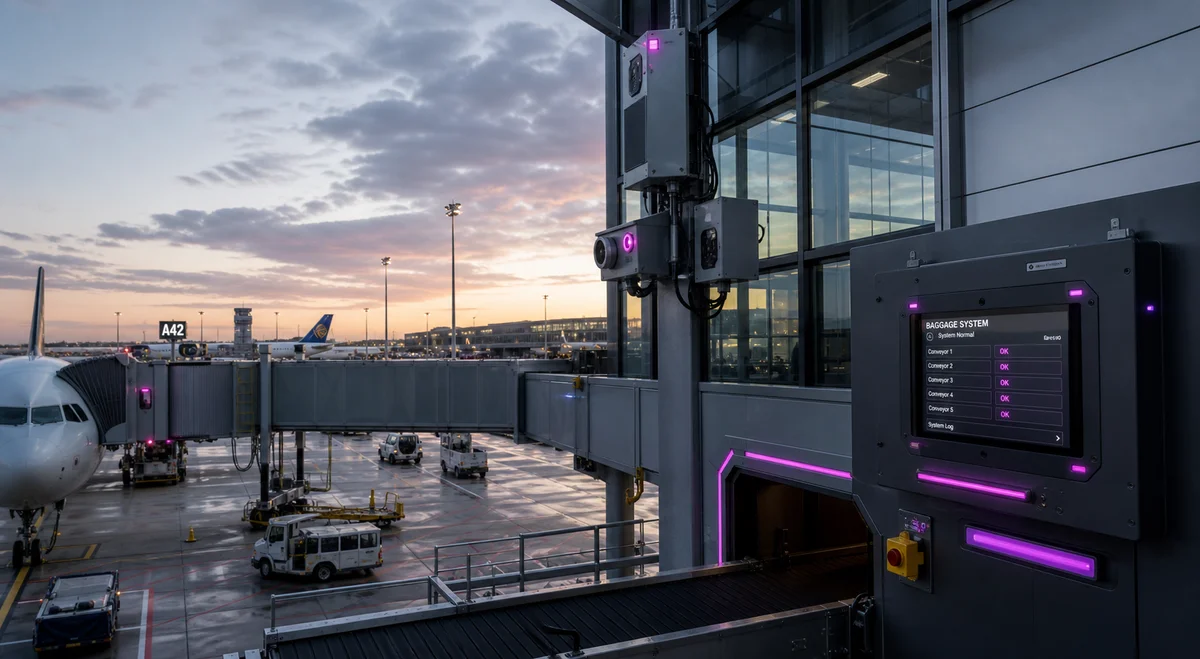
Smart baggage and passenger tracking, equipment monitoring and improved flight-operation safety with industrial communication infrastructure.
Read Article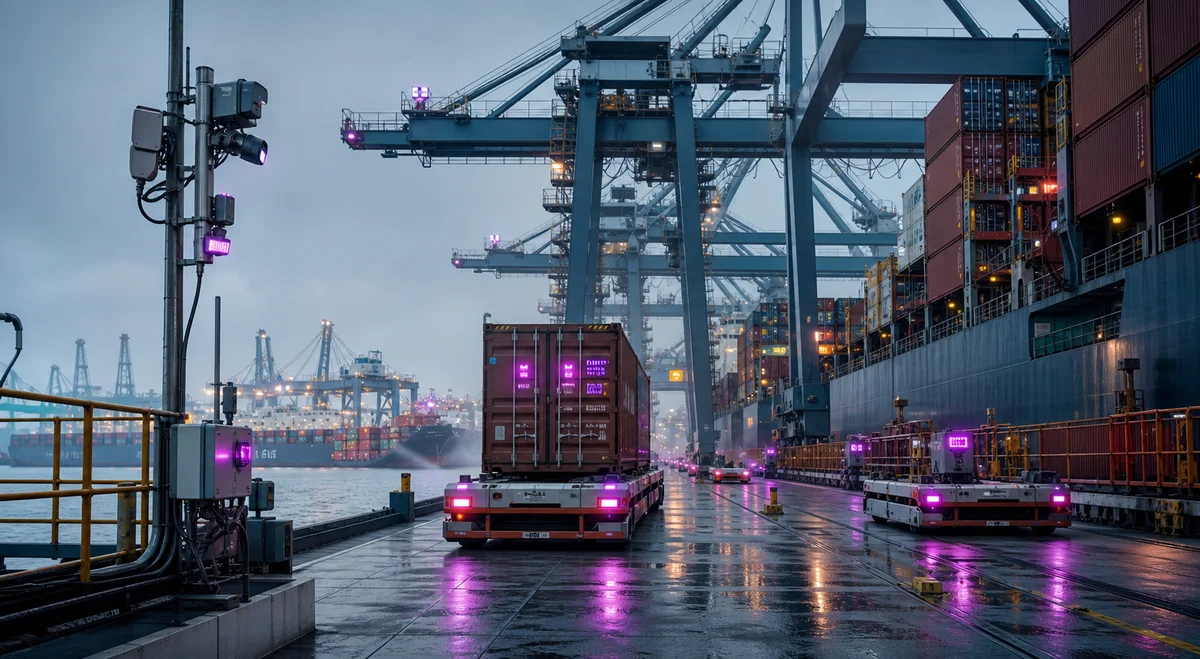
Smart Seaport
Smart cargo-handling management, port equipment monitoring and integrated security through industrial communication infrastructure.
Read Article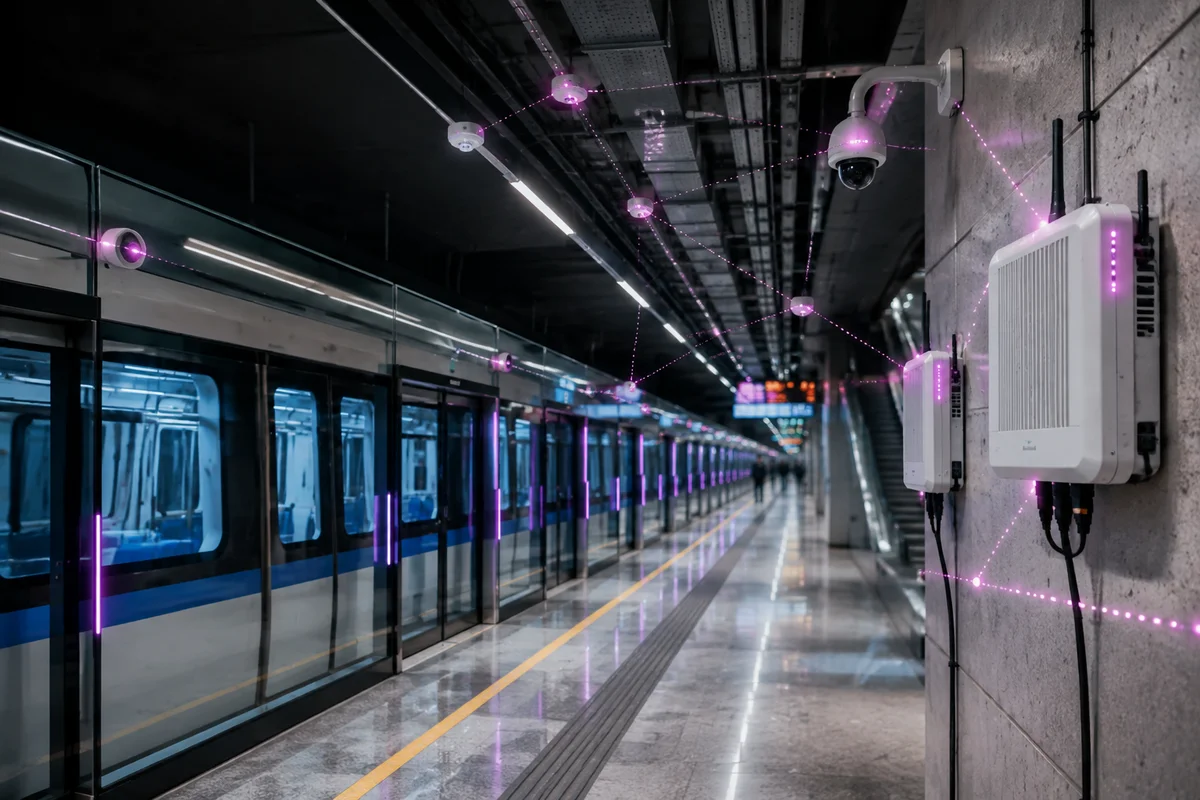
Smart Subway
Industrial telecommunications and monitoring systems to improve safety and scheduling accuracy across the subway network.
Read Article
Smart City
Integrating urban infrastructure with IIoT platforms for better management of city resources and services.
Read Article