In This Article
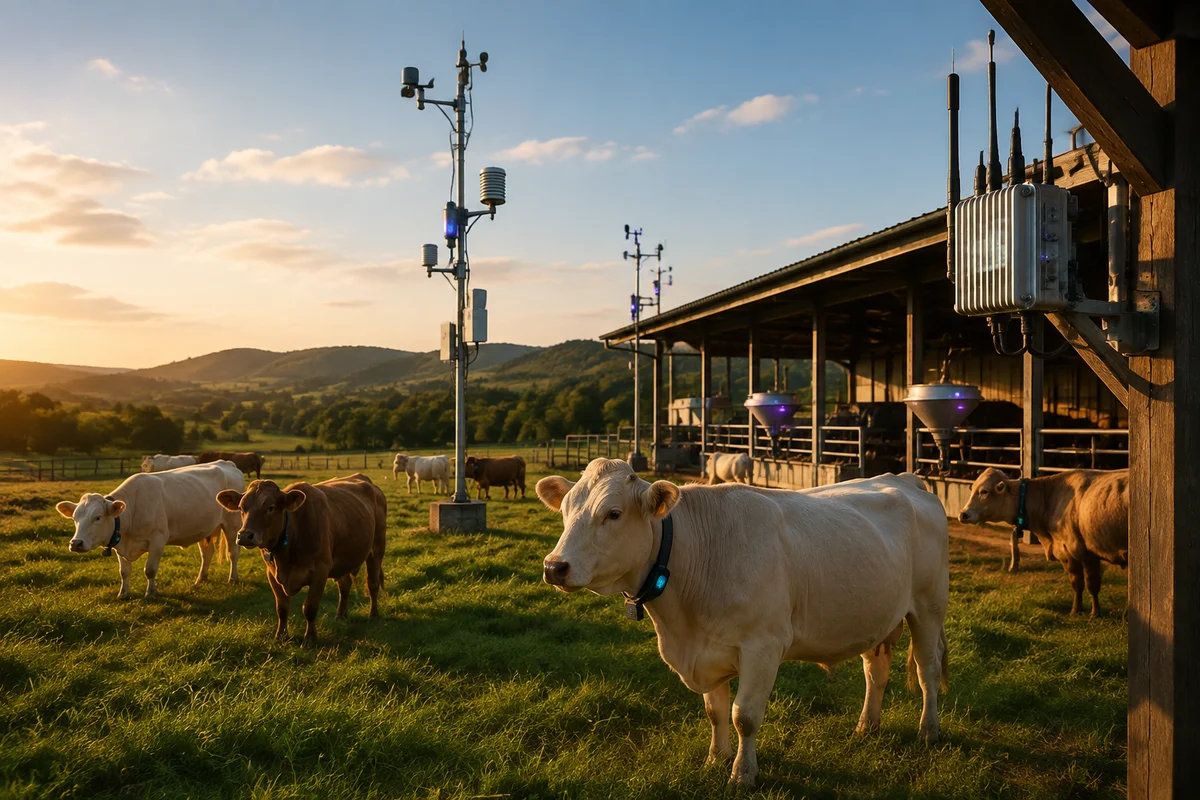
On traditional farms, animal health and fertility are monitored mostly through visual observation and the farmer's experience — an approach that's both time-consuming and prone to catching problems late. Industrial IoT (IIoT) connects wearable gadgets, internal sensors and RFID tags on livestock into one integrated platform, enabling real-time monitoring of each animal's health, nutrition and fertility individually. This article covers the core components of a smart livestock platform and its practical applications.
Key Takeaways
- Real-time monitoring of an animal's blood pressure, heart rate and respiration with smart wearables
- Automatic calving-time alerts via sensors attached to the animal's tail
- Early lameness detection through force-plate analysis and smart algorithms
- A complete record for every animal — from breed to vaccination history — via RFID technology
The Challenges of Traditional Livestock Farming
On many livestock operations, identifying a sick animal, pinpointing the exact time of calving, and catching lameness early still depend on the farmer being constantly present with the herd. That dependence drives up labor costs and, in many cases, delays the diagnosis of problems — a delay that can reduce milk yield, lengthen the interval between pregnancies, and lead to secondary illness.
On top of that, the lack of an accurate, centralized record of each animal's health, nutrition and vaccination history makes herd-wide management and control of contagious disease much harder for farmers.
Components of a Smart Livestock Platform
IoT in livestock farming combines wearable gadgets (electronic bands and collars), internal sensors connected to the animal's rumen, RFID tags on the animal's ear, and a cloud platform for data analysis. With these tools, dependence on human observation for herd management drops sharply, and everything can be installed and monitored on a single platform.
- RFID tags for uniquely identifying each animal and storing breed, birth and vaccination data
- Wearable collars and electronic bands for monitoring behavior, feeding and fertility
- Internal sensors connected to the rumen for tracking diet
- Milk-measurement systems and force plates for monitoring output and movement health
Smart Milking & Calving Detection
A smart milk-measurement system sits in the milking-machine's outlet line and, using infrared, measures each animal's milk flow with no contact with the milk itself, sending the data wirelessly to the farm's management dashboard. The system offers high measurement accuracy, has no moving mechanical parts, and doesn't interfere with the conventional way the milking system is cleaned.
One of IoT's most important applications is smart calving detection. Sensors attached to the animal's tail send a signal to the farmer's receiver as soon as the first signs of calving appear — so the farmer no longer needs to be present with the animal around the clock, while the animal itself is kept in a lower-stress environment.
Smart Collars, Force Plates & RFID Tracking
Smart collars track an animal's health status, activity level and feed intake and transmit the data wirelessly. Sensors connected to the rumen also identify diet and body temperature, and a message is sent to the farmer once an animal is ready for insemination. These collars have a long battery life and typically don't need replacing for up to 7 years.
As milk yield rises, so does the risk of lameness in cows; force plates measure gait and weight distribution across an animal's legs to catch the first signs of lameness before the problem gets worse. Alongside these tools, RFID technology, via a tag attached to the animal's ear, stores and updates information such as breed, date of birth, medications given and vaccination history in a central database.
Key Applications & Benefits
- Fast identification of a sick animal or one that has strayed off the farm, with automatic alerts
- Individual measurement and logging of each animal's milk output, with comparative charts over any time period
- Alerts when milk output drops below an acceptable threshold
- Easy census-taking and relocation of smart tags when moving animals to a new pasture
- A complete health record covering date of birth, parentage, breed, vaccination history and past illnesses
Livestock smartification is a gradual process that can start with a small herd, or even a handful of animals, and expand over time to the entire operation. By designing a comprehensive, home-grown IoT platform for smart agriculture and livestock farming, DanialMoj is ready to deliver a dedicated, practical solution tailored to each farm's real needs.
Frequently Asked Questions
What exactly does smart animal husbandry mean?
Does implementing IoT on a farm require changing the existing infrastructure?
What information do smart collars collect from an animal?
What does implementation cost for a medium-sized farm?
Want to find out how DanialMoj's IoT platform can be designed for your farm or herd?
Request a Free ConsultationRelated Articles
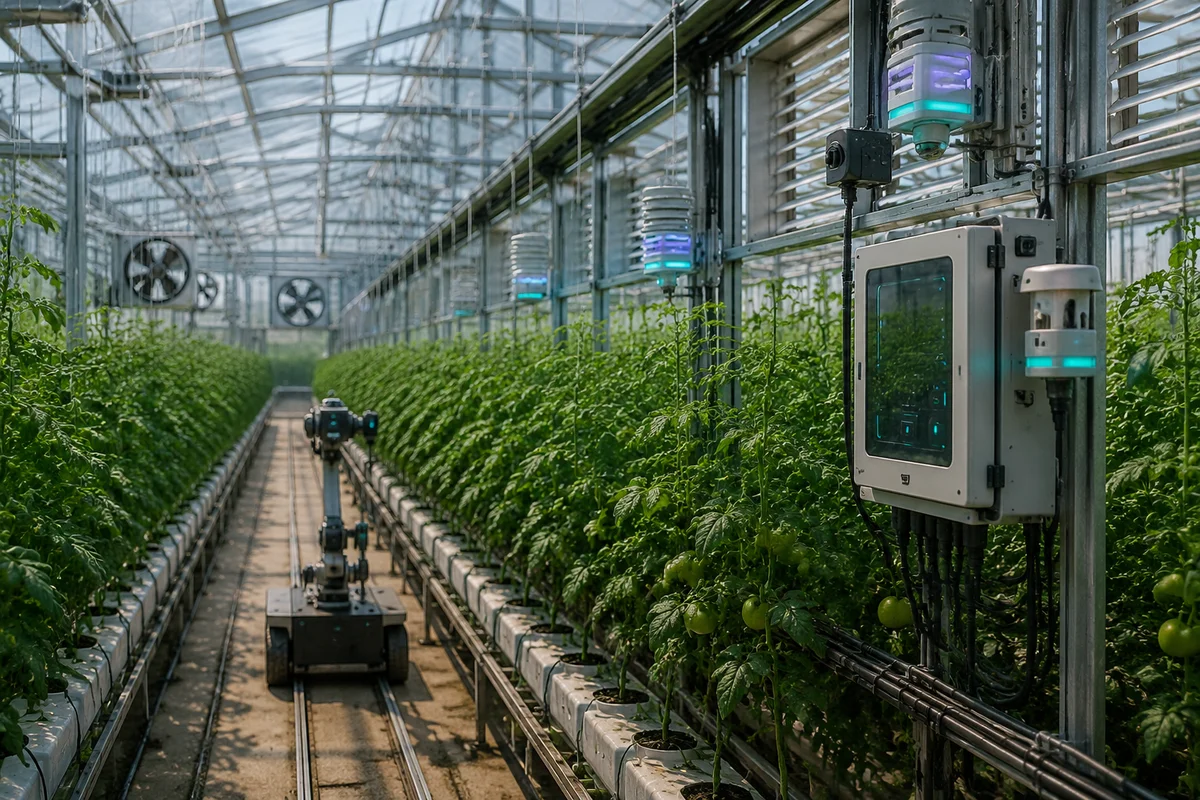
Smart Greenhouse
Controlling temperature, humidity and light with smart systems to optimize greenhouse crop production.
Read Article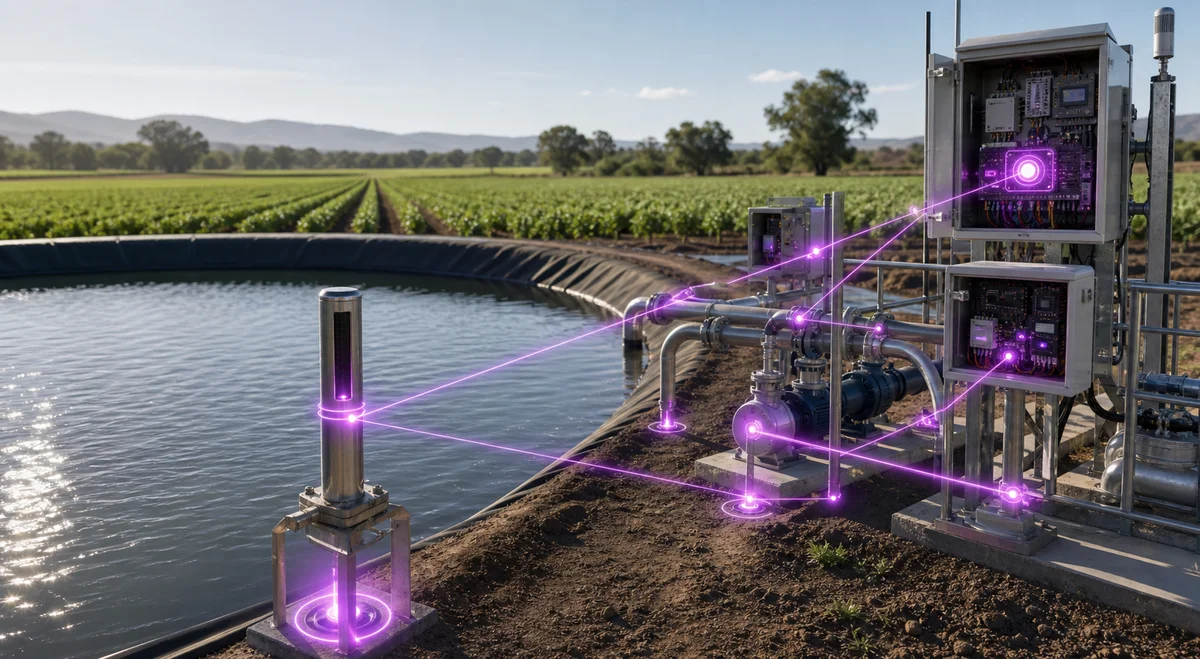
Smart Irrigation Reservoirs
Monitoring water levels, controlling pumps and smart reservoir management for more efficient use of water resources.
Read Article
Environmental Smartification
Real-time monitoring of pollutants and natural resources with smart sensor networks for better environmental protection.
Read Article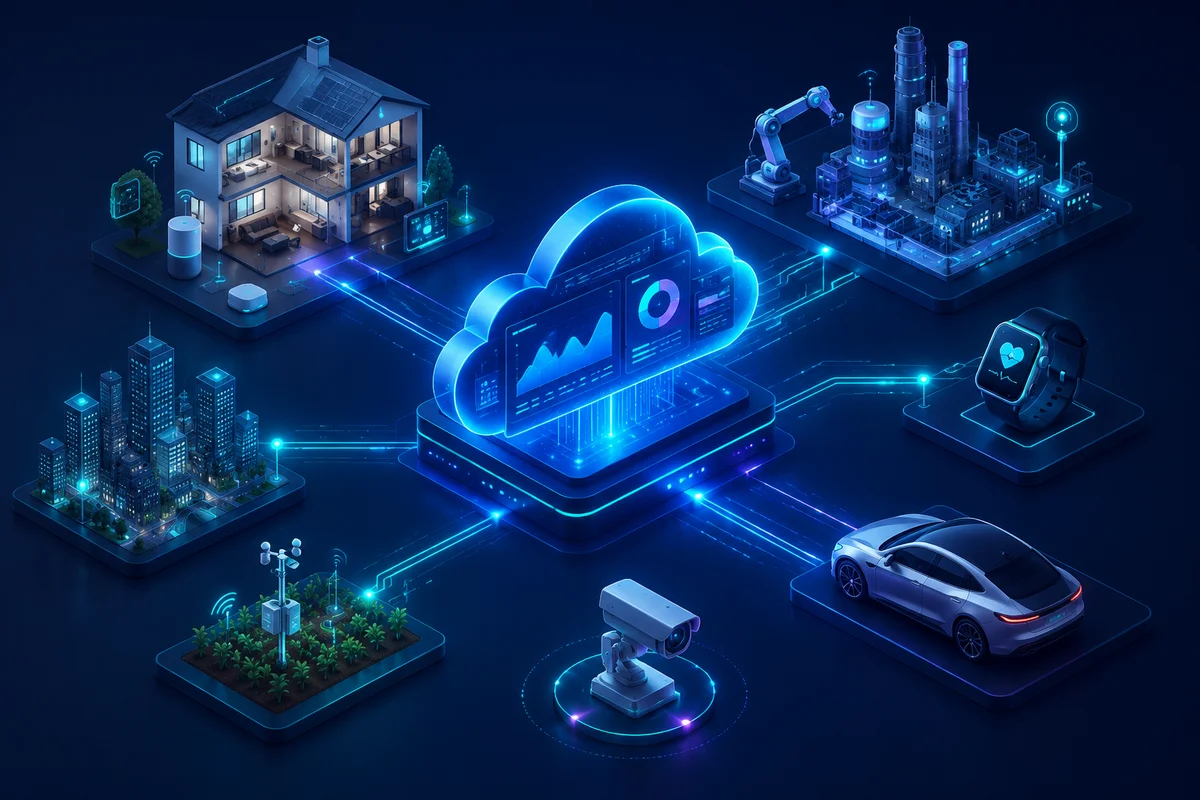
Native IoT Platform
Native platforms built on local expertise, infrastructure and requirements deliver a secure, scalable solution tailored to domestic organizations and industries.
Read Article