In This Article
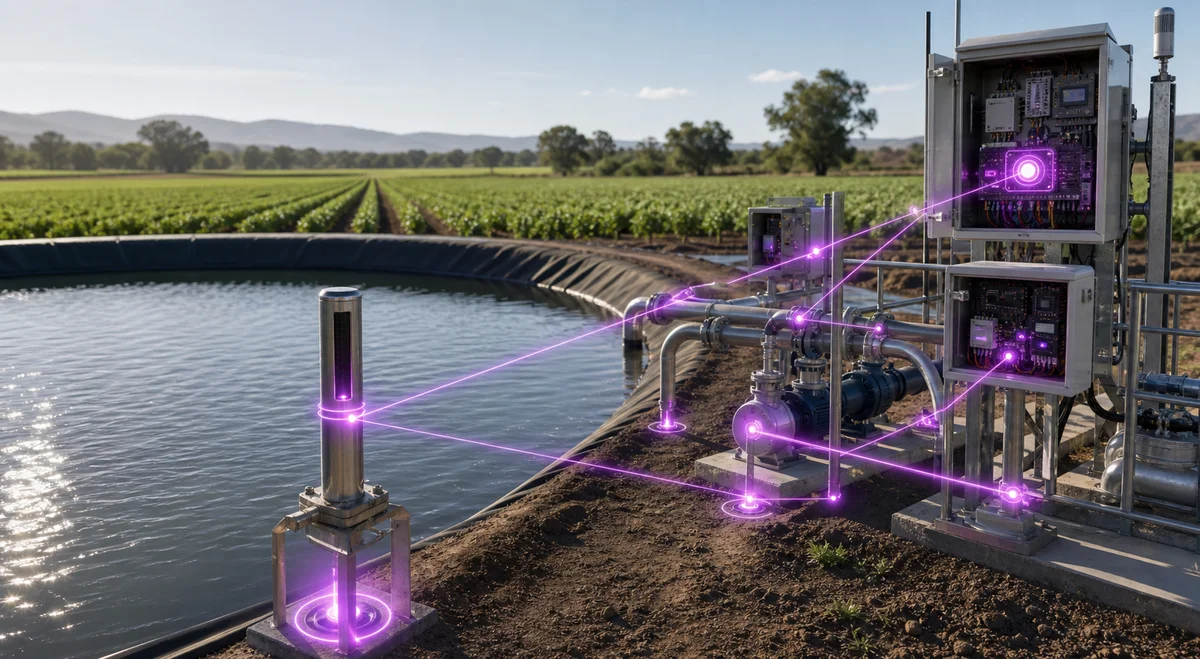
Managing reservoirs and irrigation networks on many farms and agricultural areas is still handled through manual checks and periodic operator visits — an approach that, without accurate, real-time data, easily leads to water waste and uneven resource use. By connecting water-level, flow and quality sensors and irrigation pumps to one integrated platform, Industrial IoT (IIoT) gives water-resource managers real-time monitoring, remote control, and data-driven decision-making. This article covers the core components of a smart irrigation platform and its practical applications.
Key Takeaways
- Real-time monitoring of water level, volume and quality in irrigation reservoirs
- Automatically turning pumps on and off based on a farm's actual needs
- Reducing water waste through early leak and loss detection
- Data-driven decisions for optimal water distribution across farms and regions
The Challenges of Traditional Reservoir & Network Management
On many farms and agricultural areas, reservoir water levels and pump performance are still checked manually, through periodic operator visits. This approach can't catch a sudden drop in water level, a leak, or a pump failure in time, so part of the water supply ends up wasted.
On top of that, without real-time visibility into different reservoirs, distributing water fairly and efficiently among farms and regions becomes difficult — sometimes some areas get over-irrigated while others face a shortage.
Components of an IIoT Platform for Irrigation Reservoirs
A smart irrigation platform is built from three core layers: a layer of level, flow and water-quality sensors installed on reservoirs and channels; a data-transfer layer using solar-powered industrial gateways for remote areas; and a software layer that presents the data as dashboards and alerts for water-resource managers.
- Water-level and flow sensors for continuously monitoring the condition of reservoirs and irrigation channels
- Solar-powered industrial gateways for covering farms and remote areas with no stable infrastructure
- A centralized software platform for data analysis, reporting, and remote pump control
Smart Water-Level & Quality Monitoring
By installing level and flow sensors in reservoirs and major channels, the actual state of water resources is continuously logged and analyzed. This continuous monitoring, combined with early detection of leaks, losses or abnormal drops in water level, enables managers to react faster and prevents waste of limited water resources.
Smart Pump Control & Water Distribution
- Automatically turning pumps on and off based on the actual reservoir level and farm needs
- Remote control of distribution valves for a fair split of water between farms and regions
- Smart irrigation scheduling based on real consumption data, not fixed timetables
- Cutting pumping energy costs by running pumps only when and to the extent actually needed
Summary & the Road Ahead
Smartifying reservoirs and irrigation networks is a gradual process that can start with a single reservoir or a single channel and expand over time to the whole network. By designing a comprehensive, home-grown IoT platform for water-resource management and smart agriculture, DanialMoj is ready to deliver a dedicated, practical solution tailored to each farm or irrigation network's real needs.
Frequently Asked Questions
What exactly does smartifying irrigation reservoirs involve?
Can this system be used in rural, remote areas with no stable power or internet access?
What impact does IoT have on reducing water consumption and waste?
What does it cost to implement a smart platform for a reservoir or irrigation network?
Want to find out how DanialMoj's IoT platform can be designed for your reservoir or irrigation network?
Request a Free ConsultationRelated Articles
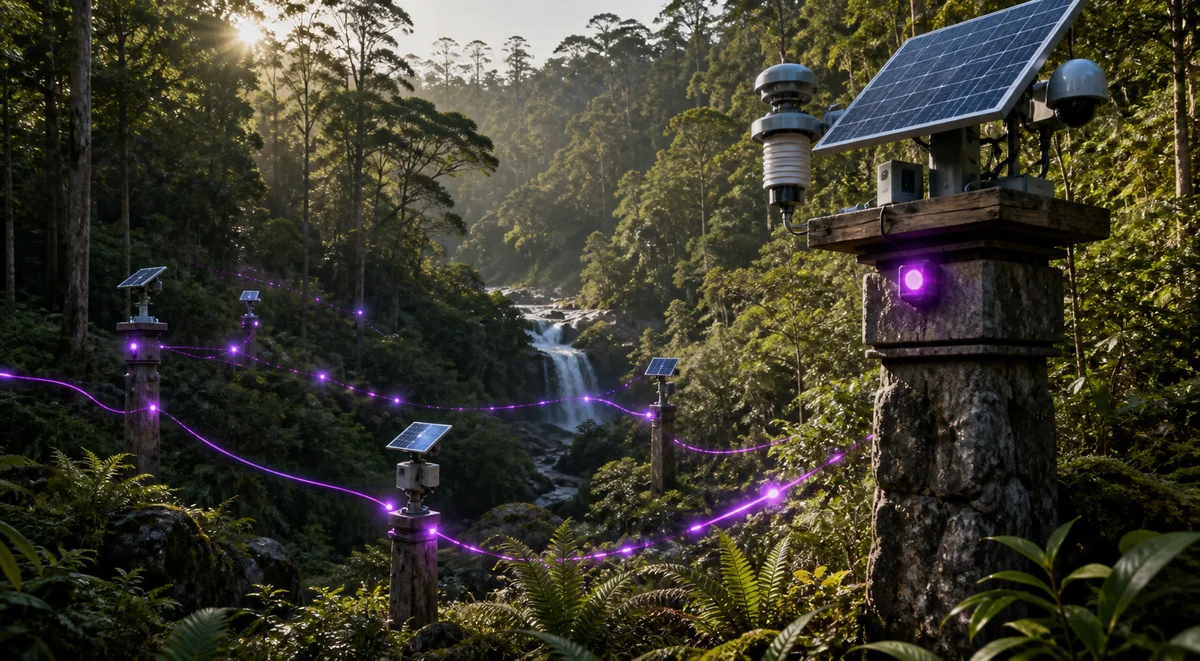
Environmental Smartification
Real-time monitoring of pollutants and natural resources with smart sensor networks for better environmental protection.
Read Article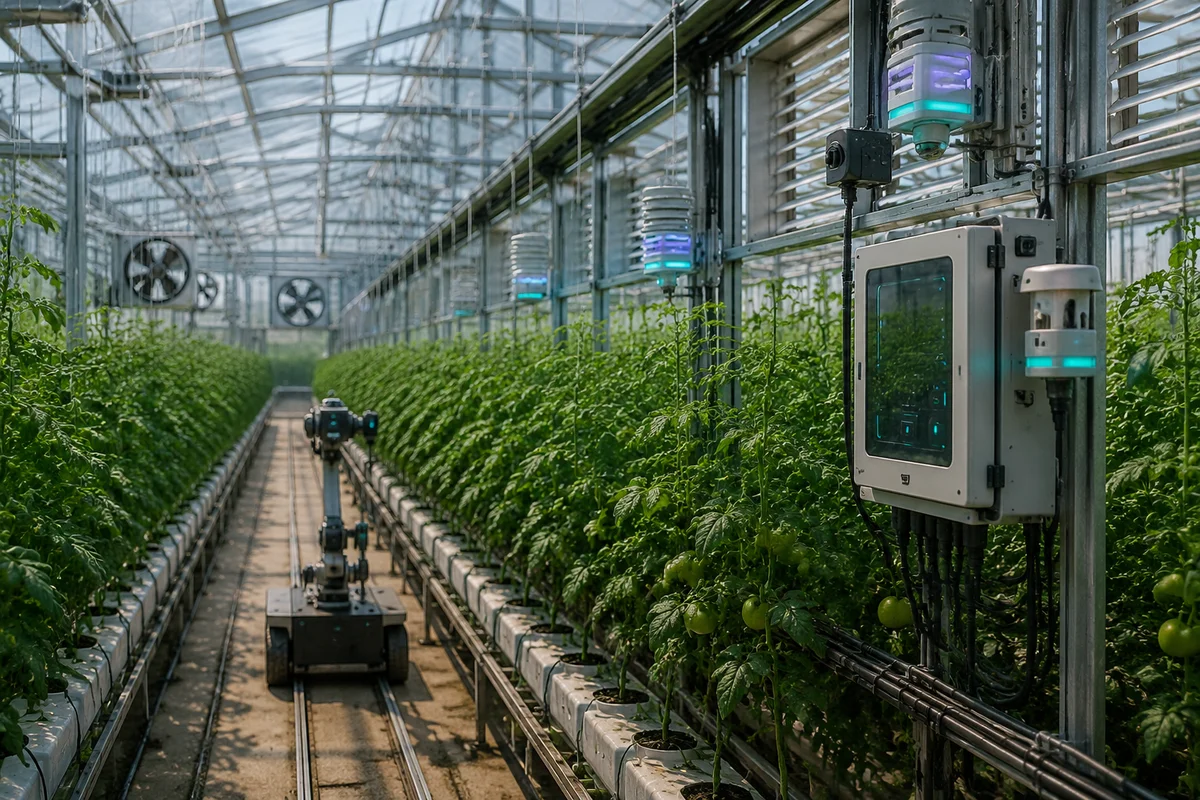
Smart Greenhouse
Controlling temperature, humidity and light with smart systems to optimize greenhouse crop production.
Read Article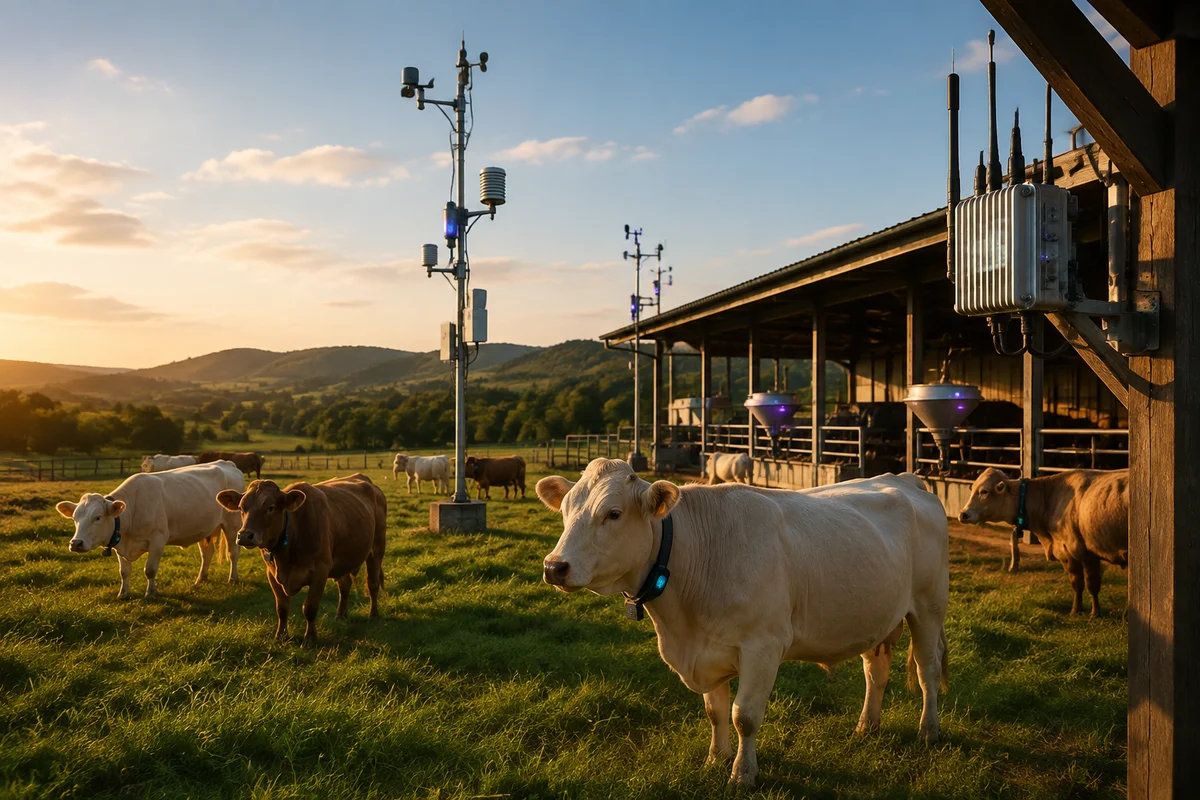
Smart Animal Husbandry
Smart livestock tracking, health monitoring and herd location via sensors and RFID tags to boost livestock productivity.
Read Article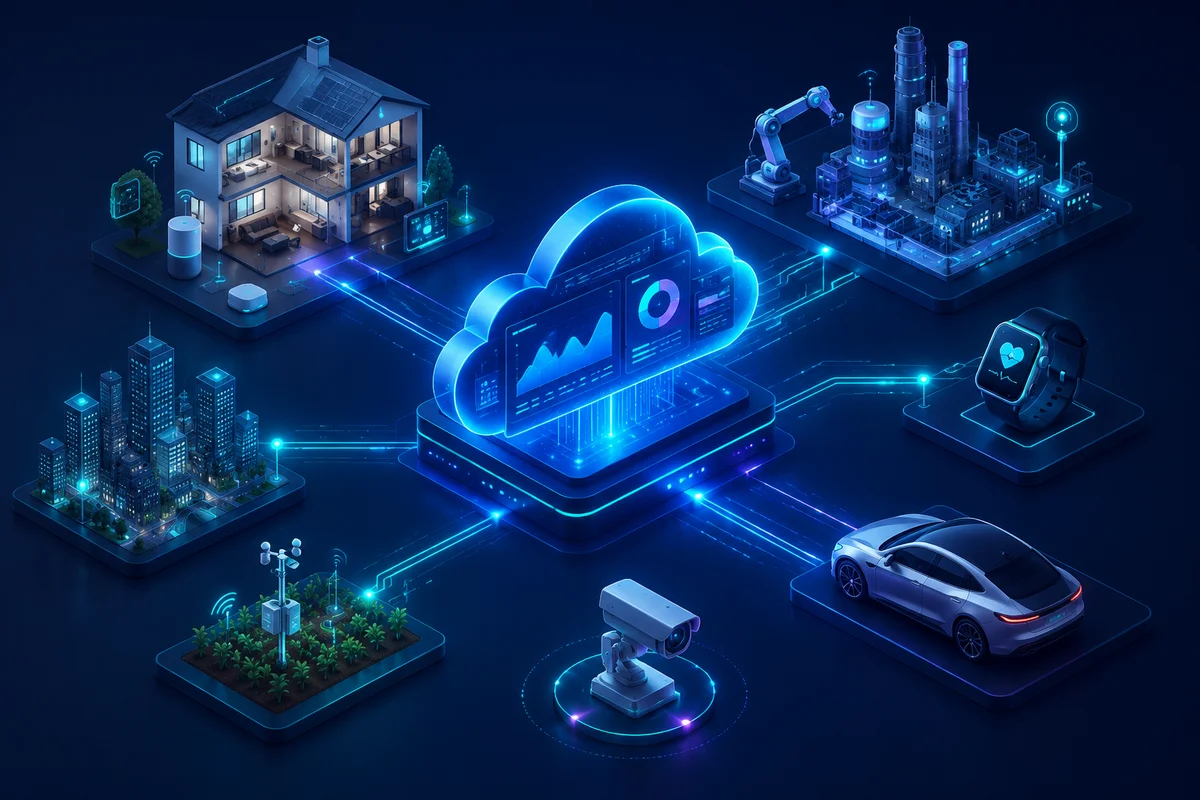
Native IoT Platform
Native platforms built on local expertise, infrastructure and requirements deliver a secure, scalable solution tailored to domestic organizations and industries.
Read Article