In This Article
Urban parks host a high volume of citizens every day, and managing their lighting, irrigation, waste and security without smart tools is costly and inefficient. By connecting sensors and control systems into one integrated platform, Industrial IoT (IIoT) enables real-time resource management, lower water and energy use, and greater safety in urban green spaces. This article covers the core components of a smart park and its practical applications.
Key Takeaways
- Automatic irrigation based on soil moisture and weather forecasts
- Reduced energy use through smart lighting with traffic-based brightness adjustment
- Smart waste-collection management with fill-level sensors on bins
- Improved park safety with cameras and early-warning systems
The Challenges of Managing Traditional Parks
In many urban parks, green-space irrigation runs on a fixed schedule with no regard for actual soil moisture or weather conditions, leading to significant water waste. Lighting control for pathways and public areas is also usually done manually or with simple timers.
On top of that, waste collection follows a fixed schedule with no knowledge of how full bins actually are, which both raises operating costs and causes trash to pile up during peak hours. The lack of an integrated view of these processes makes planning harder for city officials.
Components of a Smart Park Platform
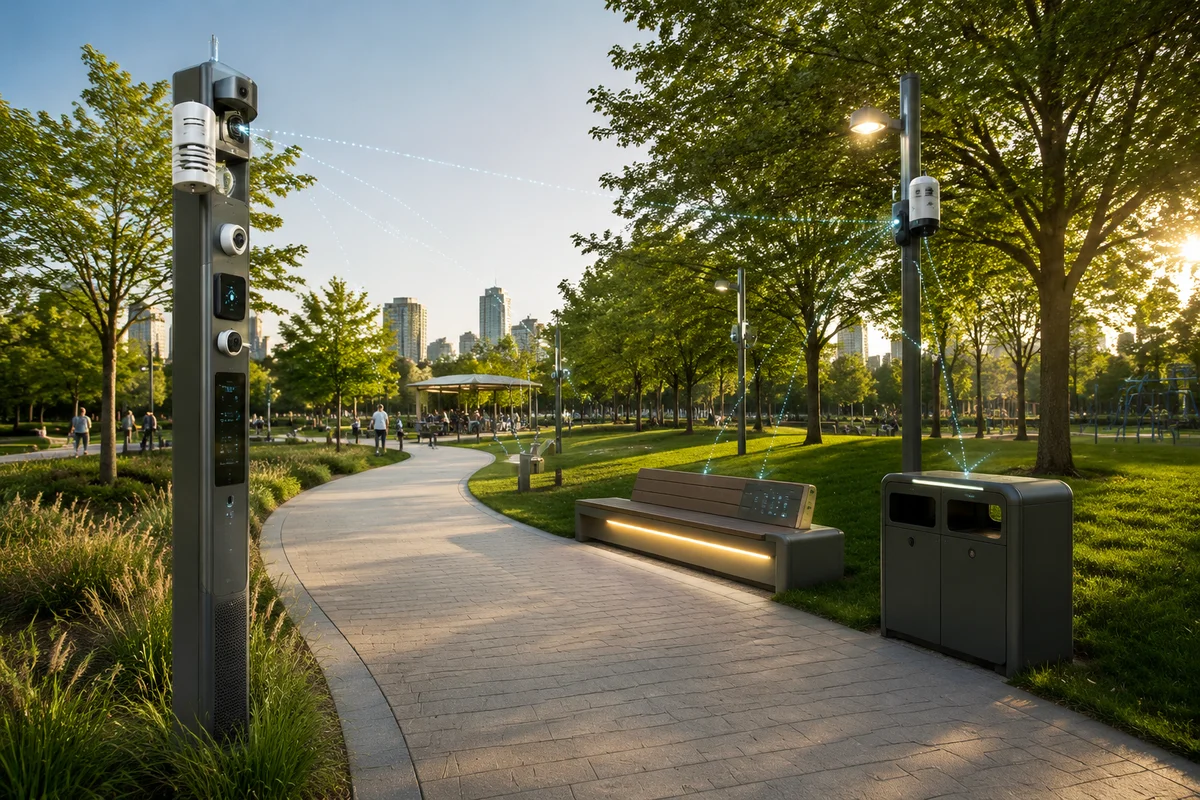
A smart park platform is built from three core layers: a layer of environmental and control sensors installed throughout the park, a data-transfer layer using weather-resistant wireless gateways, and a software layer that presents the data as a municipal-management dashboard.
- Soil-moisture sensors and local weather stations for smart irrigation
- Smart LED lights with brightness adjustment based on traffic and ambient light
- Trash bins equipped with fill-level sensors that send automatic alerts
Smart Irrigation & Lighting
By connecting irrigation valves to an IIoT platform and receiving data from soil-moisture sensors, irrigation happens only when and to the extent plants actually need it. This approach enables a noticeable reduction in water use with no harm to the green space, and combined with smart pathway-lighting control, it also significantly cuts the park's energy consumption.
Key Applications & Benefits
- Automatic, optimized green-space irrigation based on real-time moisture and weather data
- Smart management of pathway and public-area lighting throughout the park
- Optimizing waste-collection routes and schedules based on how full bins actually are
- Improved park security with smart cameras and early event detection
Summary & the Road Ahead
Smartifying urban parks is a gradual process that can start with a single area or system — such as irrigation or lighting — and expand over time to the whole green space. By designing a comprehensive, home-grown IoT platform for smart parks and urban spaces, DanialMoj is ready to deliver a dedicated, practical solution tailored to each municipality's or responsible organization's real needs.
Frequently Asked Questions
What exactly does 'smart park' mean?
Does smartifying a park require infrastructure changes?
What impact does smartification have on a park's water and energy use?
What does implementation cost for a medium-sized urban park?
Want to find out how DanialMoj's IoT platform can be designed for your park or urban space?
Request a Free ConsultationRelated Articles
Smart City
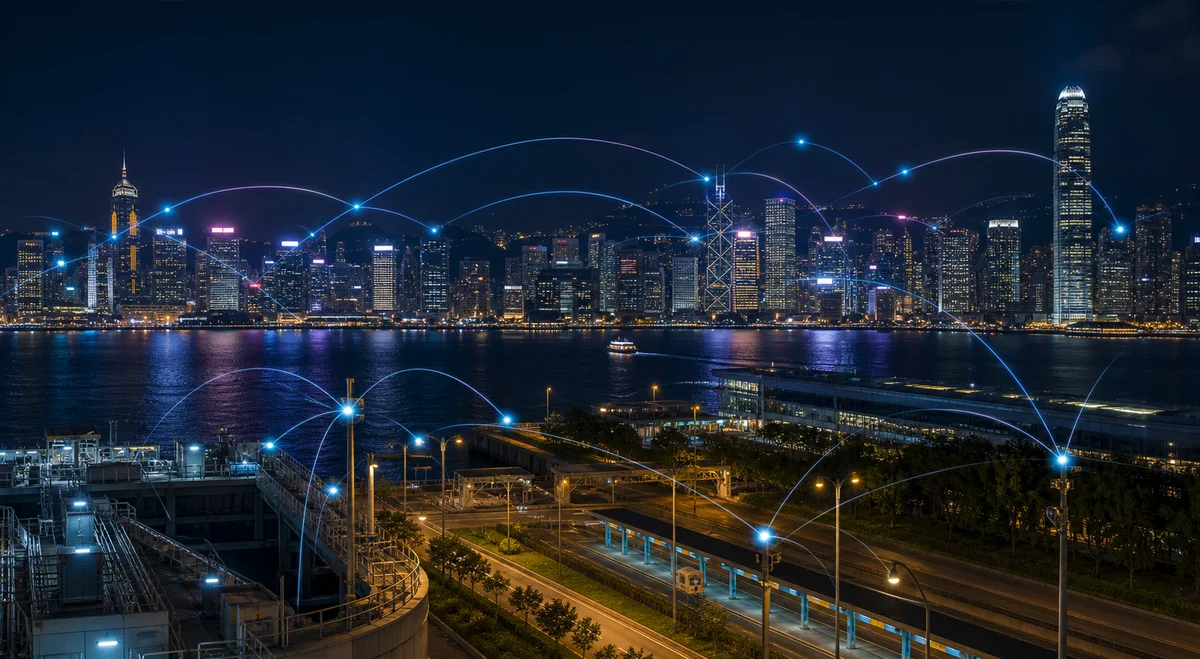
Integrating urban infrastructure with IIoT platforms for better management of city resources and services.
Read Article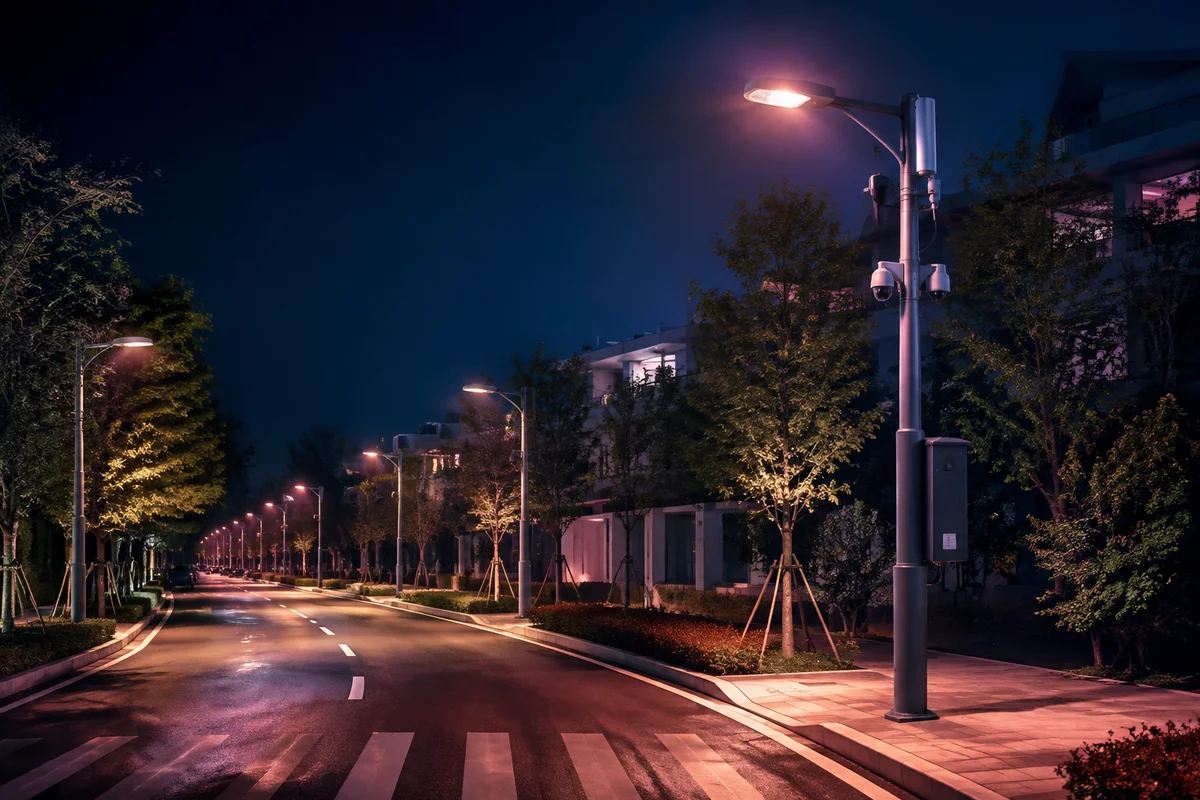
Street Lighting
Smart control of street lights to cut power consumption and improve road safety at night.
Read Article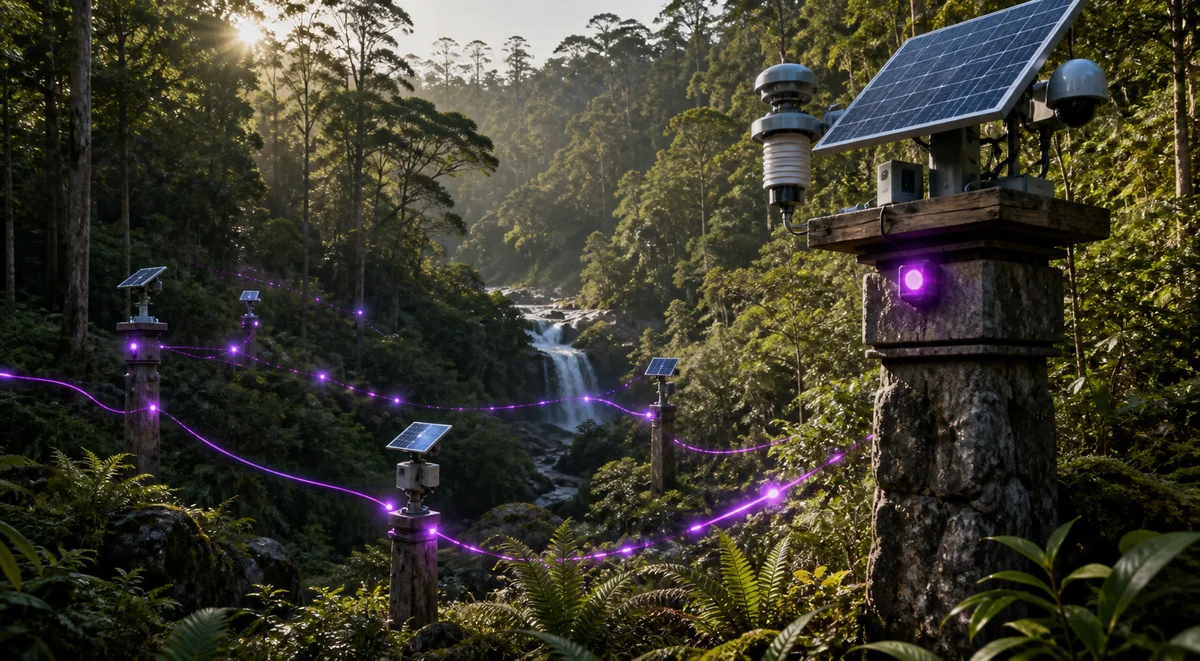
Environmental Smartification
Real-time monitoring of pollutants and natural resources with smart sensor networks for better environmental protection.
Read Article
Smart Firefighting
Using smoke and heat sensors, an IoT cloud platform and AI for early fire detection and effective emergency response management.
Read Article