In This Article
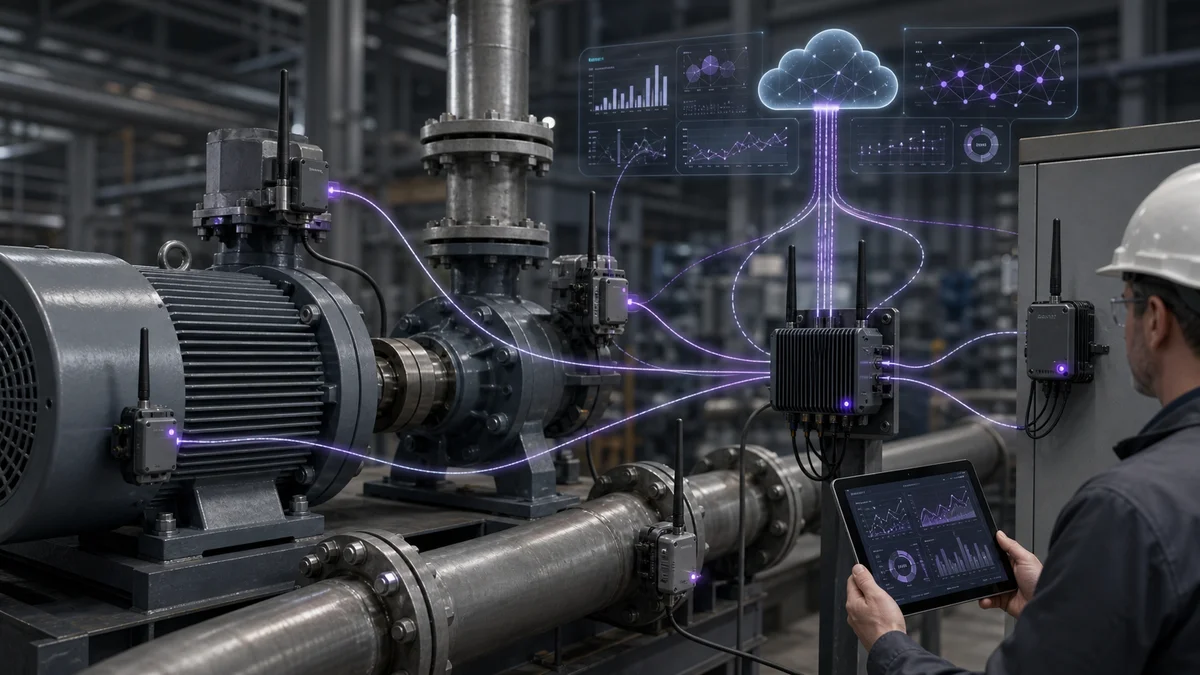
In many factories, valuable information about the true condition of machinery, energy use, and production quality goes completely unused, simply because there's no proper platform for collecting it. Industrial IoT, or IIoT, connects sensors, rotating equipment and production lines into one integrated network, turning that data into something managers and engineers can actually analyze and act on. This article looks at what IIoT is, its core components, and its applications in industrial settings.
Key Takeaways
- Connecting sensors and industrial equipment to a single, unified data platform
- Real-time monitoring of machine condition and predicting failure before it happens
- Reducing unplanned downtime and maintenance costs
- Improving management decisions with real-time analytics dashboards
What Is Industrial IoT (IIoT)?
Industrial IoT is a specialized branch of the Internet of Things (IoT) that, unlike consumer applications such as smart home appliances, is built for industrial environments. In IIoT, sensors and measurement instruments are attached to machinery, production lines and plant infrastructure so their performance data can be continuously collected, transmitted and analyzed.
By focusing on reliable connectivity in harsh industrial environments, measurement accuracy, and integration with existing control systems, this technology forms the core infrastructure for the transition to smart factories and Industry 4.0.
Core Components of an IIoT Platform
An effective IIoT platform is typically built from four core layers, each playing a specific role in the flow of data from the shop floor to the management dashboard.
- Sensors and instrumentation for measuring temperature, pressure, vibration and other process parameters
- Industrial gateways for reliable data transfer under harsh environmental conditions
- A software platform and analytics dashboard for displaying and processing data
- A security and connectivity layer to protect data and keep every platform component reliably connected
IIoT Applications on the Production Line
- Monitoring the condition of rotating equipment such as motors, pumps and compressors
- Real-time tracking of inventory, raw materials and plant assets
- Production-line quality control through real-time sensor data analysis
- Smart energy-consumption management at the plant and production-line level
Key Benefits of Implementing IIoT
The single biggest payoff of an IIoT rollout is predictive maintenance: continuous analysis of performance data makes it possible to catch early warning signs of failure before a machine actually goes down. Alongside lower maintenance costs, this approach also delivers a noticeable boost to overall production-line efficiency.
Challenges & Tips for a Successful Rollout
Integrating legacy equipment that runs on different protocols, securing the operational network, and managing large volumes of data are among the most common challenges in IIoT projects. A successful rollout usually starts with a small pilot on a handful of key machines. By designing a comprehensive, home-grown Industrial IoT platform, DanialMoj manages these challenges to fit the infrastructure of each individual factory.
Frequently Asked Questions
What's the difference between IoT and IIoT?
Does implementing IIoT require replacing a factory's existing equipment?
How is data security handled on an IIoT platform?
How long does an IIoT rollout typically take to pay for itself?
Want to find out how DanialMoj's Industrial IoT platform can be designed for your production line or factory?
Request a Free ConsultationRelated Articles
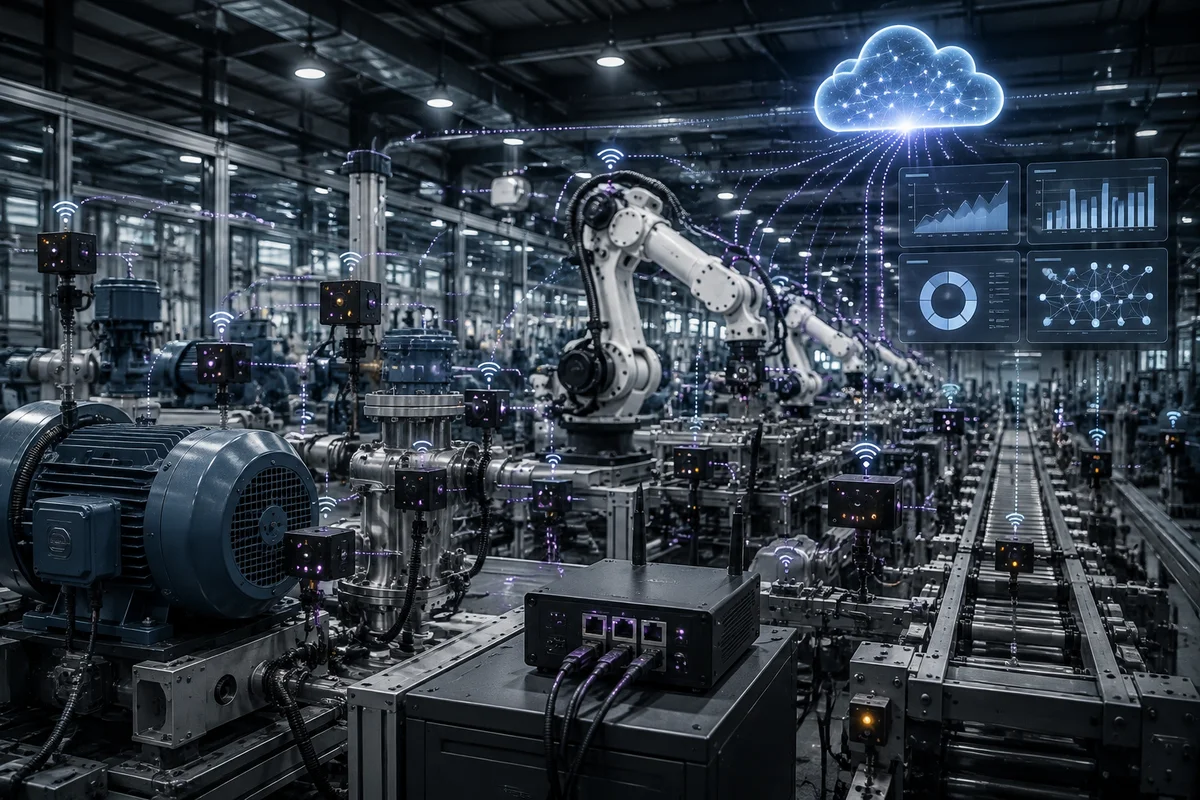
Industrial Smartification & Industry 4.0
What Industry 4.0 is and how advanced, data-driven automation is transforming production lines.
Read Article
Smart Hospital
The role of Industrial IoT in monitoring medical equipment and managing hospital energy use.
Read Article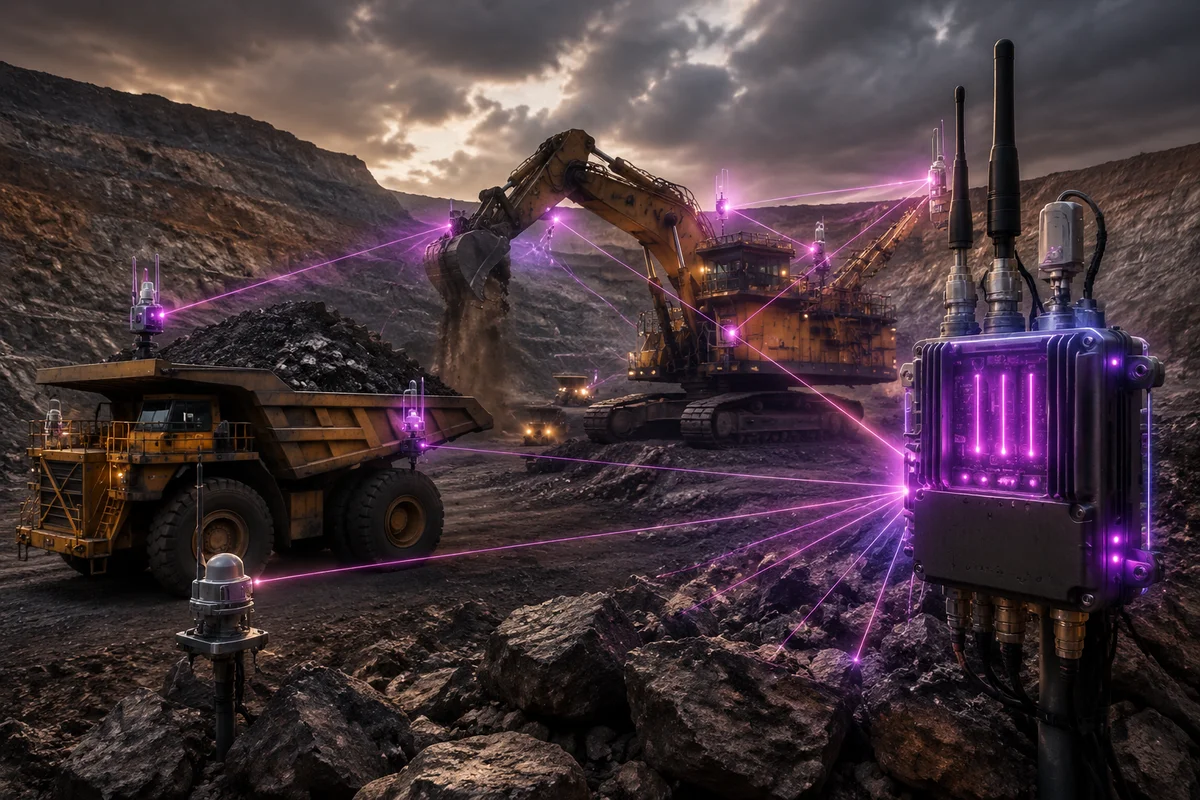
Smart Mining
How industrial sensors and real-time monitoring increase safety and productivity in mines.
Read Article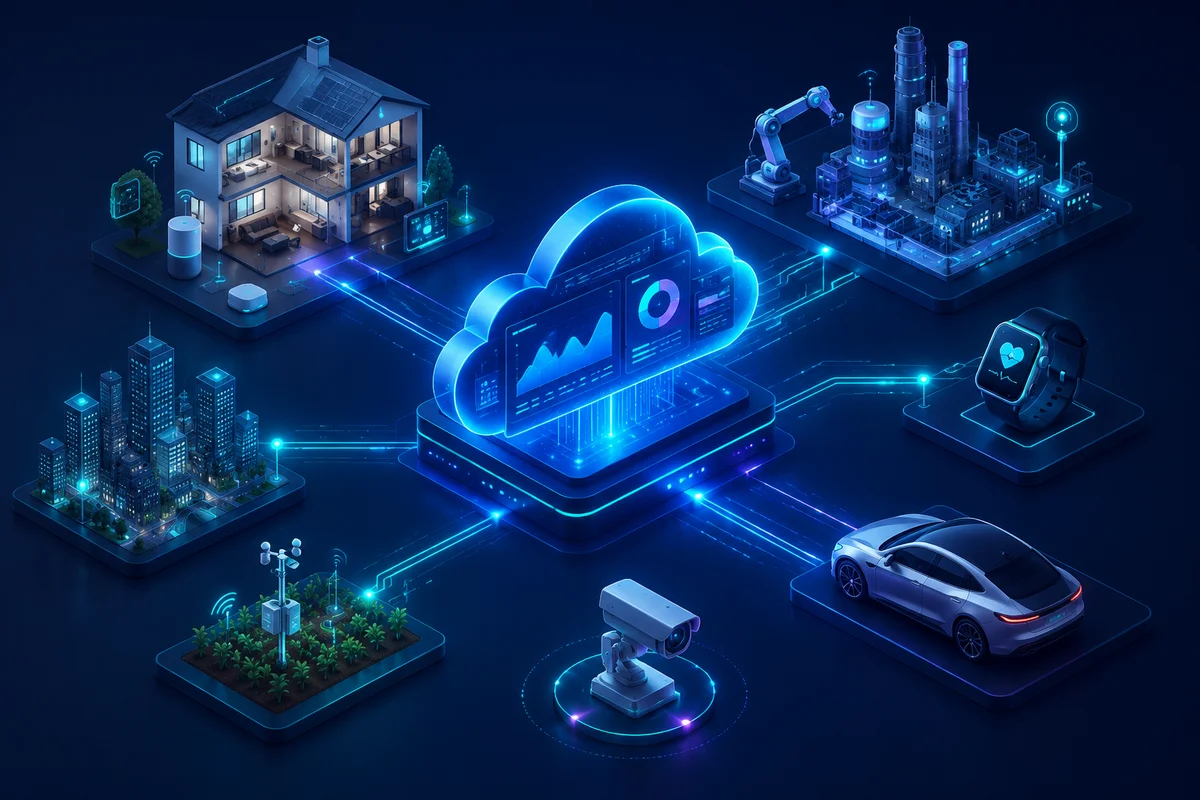
Native IoT Platform
Native platforms built on local expertise, infrastructure and requirements deliver a secure, scalable solution tailored to domestic organizations and industries.
Read Article