In This Article
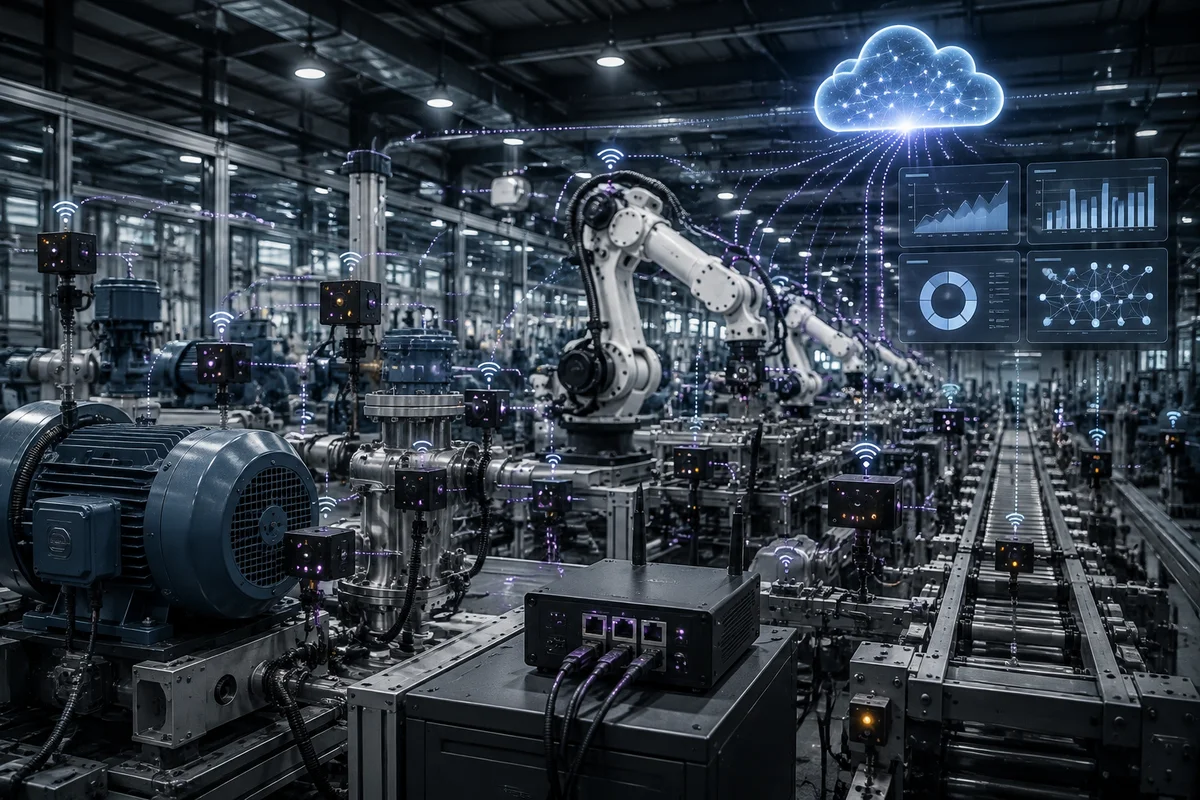
Production lines across every industry generate a huge volume of data every single day — data that, in most factories, sits unanalyzed, quietly wasting opportunities to improve quality, cut costs and boost productivity. Industrial smartification, or the shift to Industry 4.0, connects machinery, sensors and software systems into a single integrated platform, turning that raw data into operational and strategic decisions. This article covers what Industry 4.0 is, how it differs from traditional automation, and a practical path for rolling it out in a factory.
Key Takeaways
- Connecting machinery and production lines to a data-driven platform for real-time decisions
- Reducing unplanned downtime through predictive maintenance instead of scheduled repairs
- Improving product quality with real-time monitoring and control of the production process
- Optimizing energy and resource use across the entire production line
What Is Industry 4.0 and Why It Matters
Industry 4.0 refers to the fourth wave of industrial transformation, in which Industrial IoT (IIoT), data analytics, artificial intelligence and advanced automation come together to build a smart, flexible, data-driven factory. Unlike earlier waves, which were largely focused on mechanization and isolated pockets of automation, Industry 4.0 connects every layer of the factory — from the sensor to management — into a single ecosystem.
What makes this shift matter is competitiveness: factories that make data-driven decisions respond faster to market changes, generate less waste, and noticeably cut maintenance and energy costs.
Traditional Automation vs. Industrial Smartification
Traditional automation is usually limited to controlling a single device or a specific production line in isolation; each machine runs on its own internal logic, and its data is rarely shared with the rest of the factory. Industrial smartification, by contrast, connects these information islands together and provides a unified view of the entire factory's performance.
- Traditional automation: local control of each device, with little to no broad data exchange
- Industrial smartification: integrated data, real-time analysis and factory-wide decision-making
- Traditional automation: maintenance on a fixed schedule
- Industrial smartification: predictive maintenance based on actual equipment performance data
Key Technologies Behind Smart Production Lines
A successful Industry 4.0 rollout typically rests on a handful of core technologies that together form the plant's smartification platform.
- Industrial sensors and PLC controllers for collecting data from equipment and production lines
- An Industrial IoT (IIoT) platform and industrial gateways for reliable data transfer
- Data analytics and AI models for predicting failure and optimizing processes
- Digital twins for simulating and testing production scenarios
Applications & Benefits of Industrial Smartification
Industrial smartification covers a wide range of applications across different industries, and its single biggest payoff is reducing unplanned downtime through predictive maintenance, which has a direct impact on a factory's productivity and operating costs.
- Predictive maintenance for rotating and mission-critical production-line equipment
- Automated quality control and reduced production waste
- Real-time tracking of assets, raw materials and warehouse inventory
- Supply-chain optimization and production planning based on real data
The Path to Implementing Industry 4.0 in a Factory
Moving to Industry 4.0 doesn't require overhauling an entire production line at once. The usual path starts with a defined pilot on a few machines or one key line, measures the results, and then gradually expands the platform to other parts of the factory. By designing a comprehensive, home-grown Industrial IoT platform, DanialMoj plans and executes this path to fit each factory's real infrastructure and priorities.
Frequently Asked Questions
How is Industry 4.0 different from traditional industrial automation?
Is industrial smartification only suitable for large factories?
How long does implementing Industry 4.0 take in a factory?
What kind of data gets collected and analyzed in industrial smartification?
Want to find out how a path to Industry 4.0 could be designed for your production line or factory?
Request a Free ConsultationRelated Articles
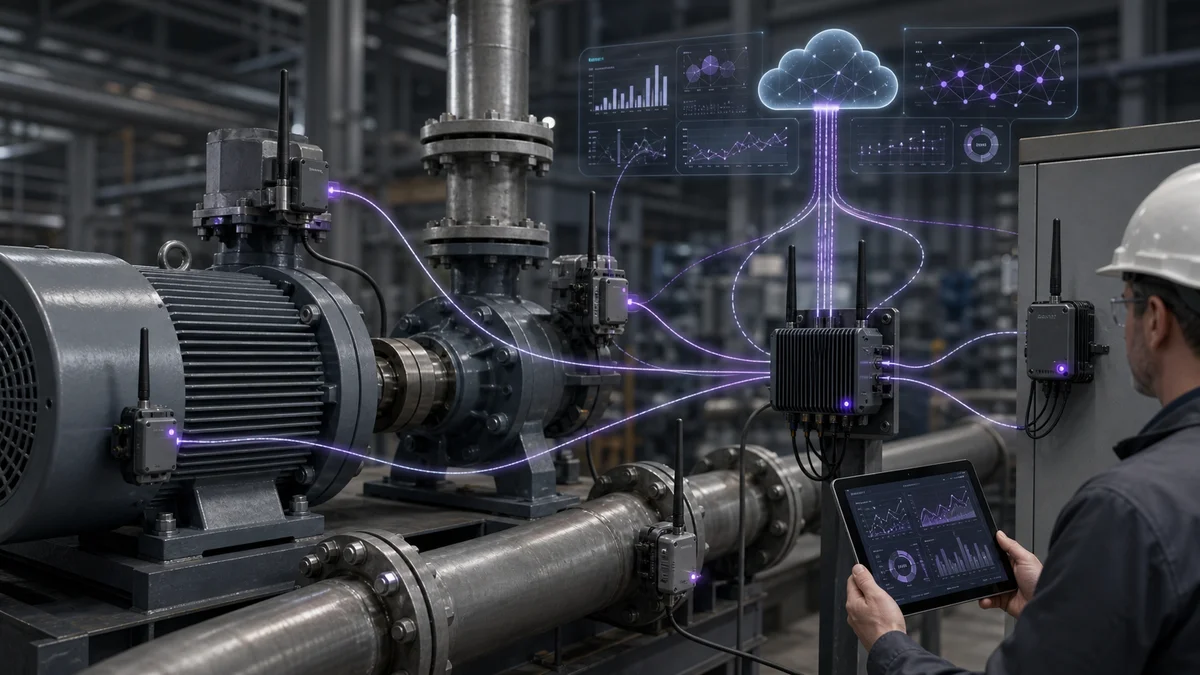
Industrial IoT (IIoT)
How sensors and machinery connect to a unified platform to enable real-time monitoring and plant optimization.
Read Article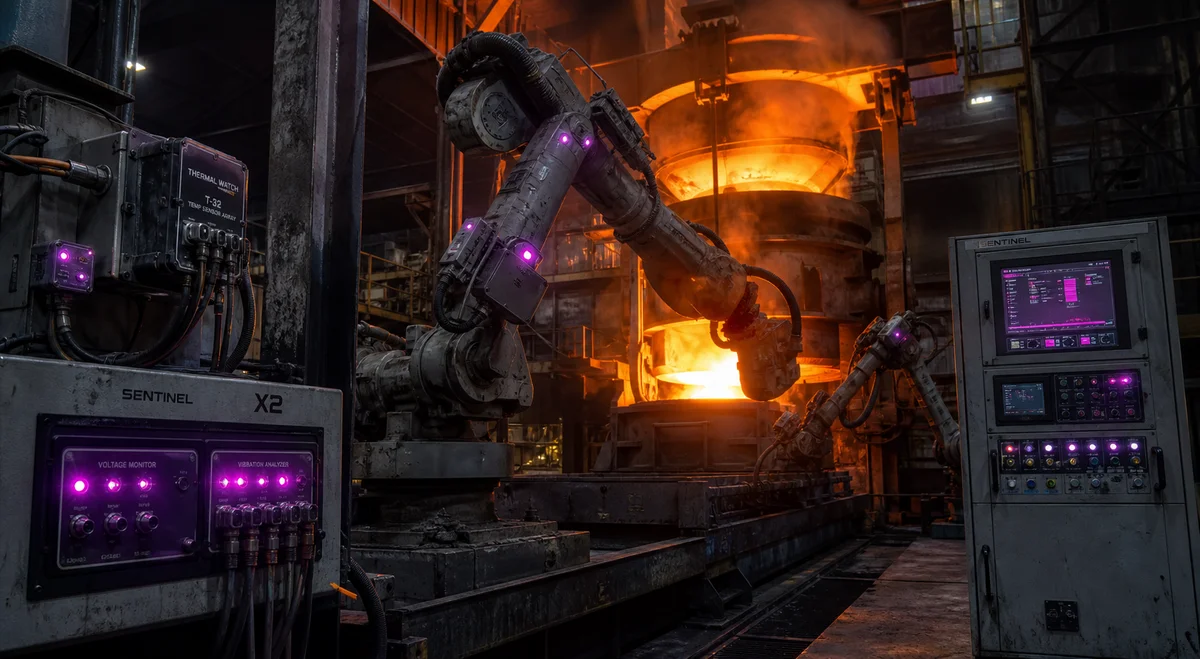
Smart Steel Industry
How Industrial IoT and data-driven monitoring are applied on steel production lines and in heavy industry.
Read Article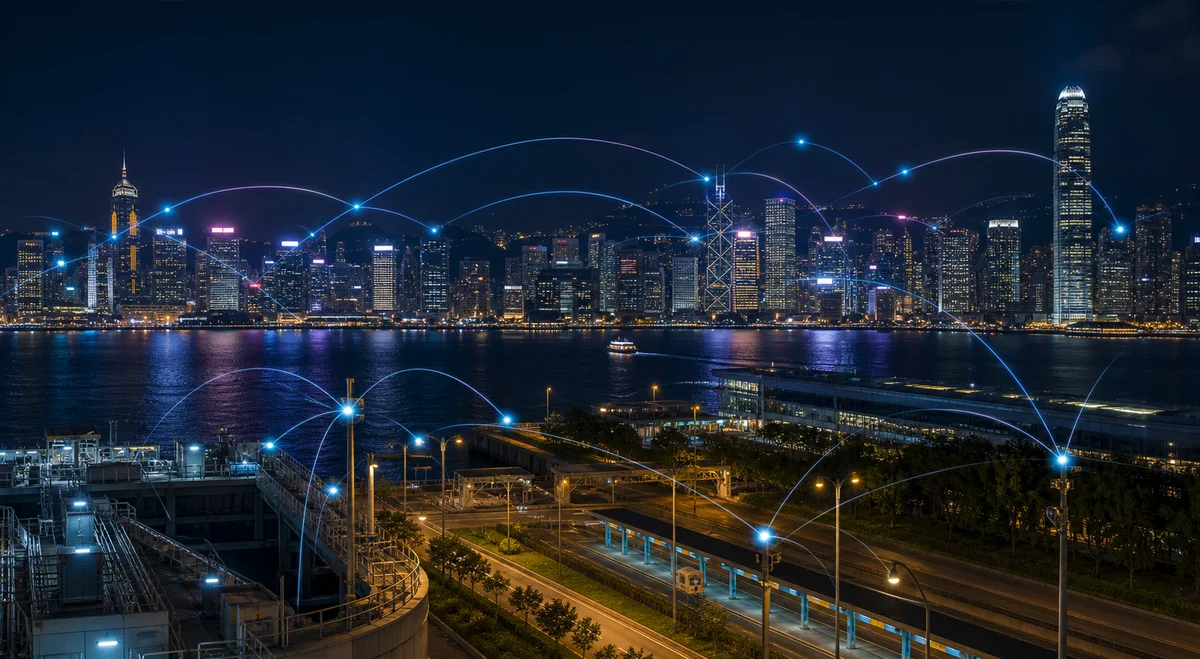
Smart City
Integrating urban infrastructure with IIoT platforms for better management of city resources and services.
Read Article
Native IoT Platform
Native platforms built on local expertise, infrastructure and requirements deliver a secure, scalable solution tailored to domestic organizations and industries.
Read Article