In This Article
Hospitals manage a huge volume of data, mission-critical equipment, and the movement of staff and patients every single day — a process that easily runs into human error and wasted resources without the right tools. By connecting sensors, equipment and hospital systems into one integrated platform, Industrial IoT (IIoT) enables real-time monitoring, data-driven decision-making, and improved patient safety. This article covers the core components of a smart hospital and its practical applications.
Key Takeaways
- Real-time monitoring of the status, location and performance of critical medical equipment
- Reduced energy consumption through smart automation of cooling, heating and lighting systems
- Improved patient safety through environmental monitoring and early warnings
- Integrating data from different hospital departments into a single dashboard
The Challenges of Traditional Hospitals
In many hospitals, tracking medical equipment is still done manually, using paper or spreadsheets. This raises the odds that expensive devices go missing or get misused, and increases the time needed to locate a device in an emergency.
On top of that, cooling, heating, lighting and ventilation systems typically run separately, uncoordinated with how occupied a department actually is, leading to inefficient energy use. This lack of an integrated, real-time view of these processes makes decision-making harder for hospital administrators.
Components of a Smart Hospital Platform
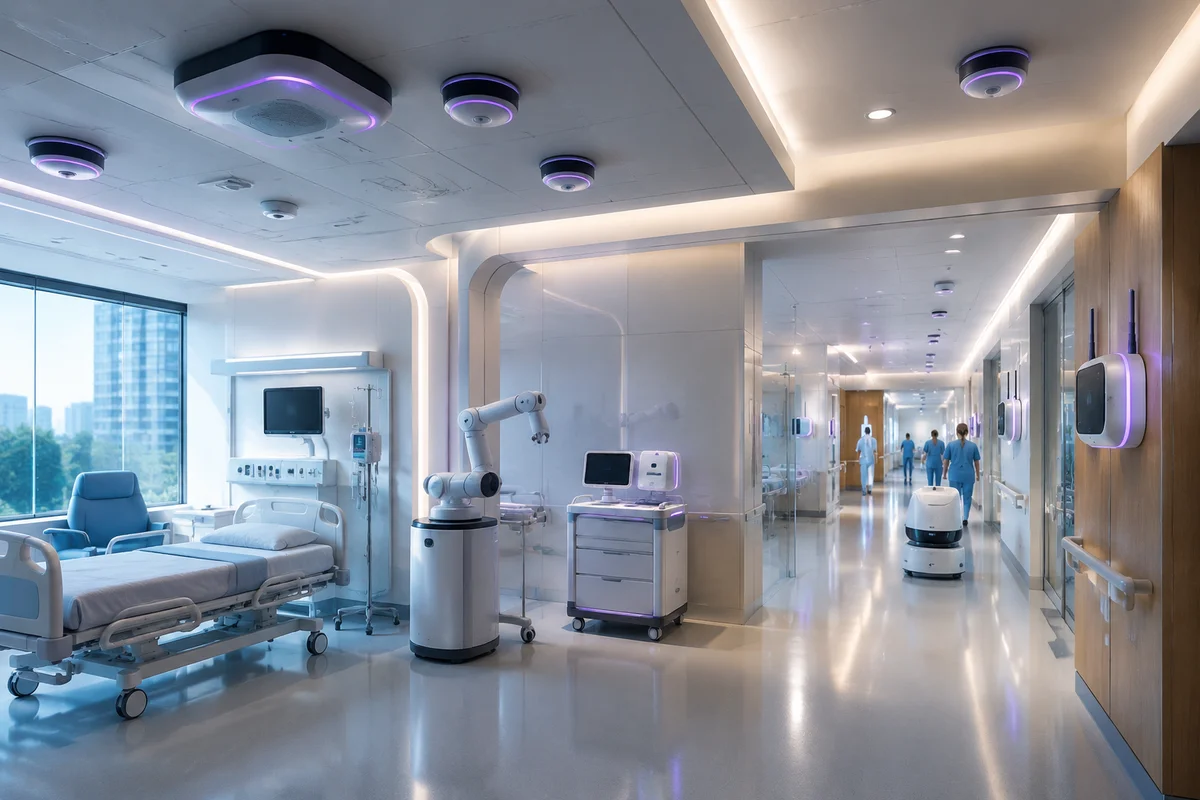
A smart hospital platform is built from three core layers: a layer of sensors and smart tags installed on equipment and departments, a data-transfer layer using industrial gateways, and a software layer that presents the data to staff as dashboards and alerts.
- RFID and BLE sensors for precisely tracking the location of hospital equipment and assets
- Rugged industrial gateways for reliable data transfer in sensitive medical environments
- A centralized software platform for data analysis, reporting and issuing smart alerts
Smart Monitoring of Medical Equipment
By connecting critical devices such as ventilators, infusion pumps and vital-signs monitors to an IIoT platform, each device's operating status is continuously recorded and analyzed. This continuous monitoring enables predicting the need for maintenance before a failure occurs and prevents equipment from suddenly going down mid-use.
Key Applications & Benefits
- Real-time tracking of equipment, beds and clinical staff throughout the building
- Smart energy management based on how occupied departments and rooms actually are
- Cold-chain monitoring for medications, vaccines and lab samples
- Access control and enhanced security in sensitive areas such as the operating room and ICU
Summary & the Road Ahead
Hospital smartification is a gradual process that can start with a single department or a single type of equipment and expand over time across the whole facility. By designing a comprehensive, home-grown IoT platform for smart hospitals, DanialMoj is ready to deliver a dedicated, practical solution tailored to each medical center's real needs.
Frequently Asked Questions
What exactly does 'smart hospital' mean?
Does implementing IoT in a hospital require infrastructure changes?
What impact does IoT have on patient-data security?
What does implementation cost for a medium-sized hospital?
Want to find out how DanialMoj's IoT platform can be designed for your hospital or medical center?
Request a Free ConsultationRelated Articles

Smart Firefighting
Using smoke and heat sensors, an IoT cloud platform and AI for early fire detection and effective emergency response management.
Read Article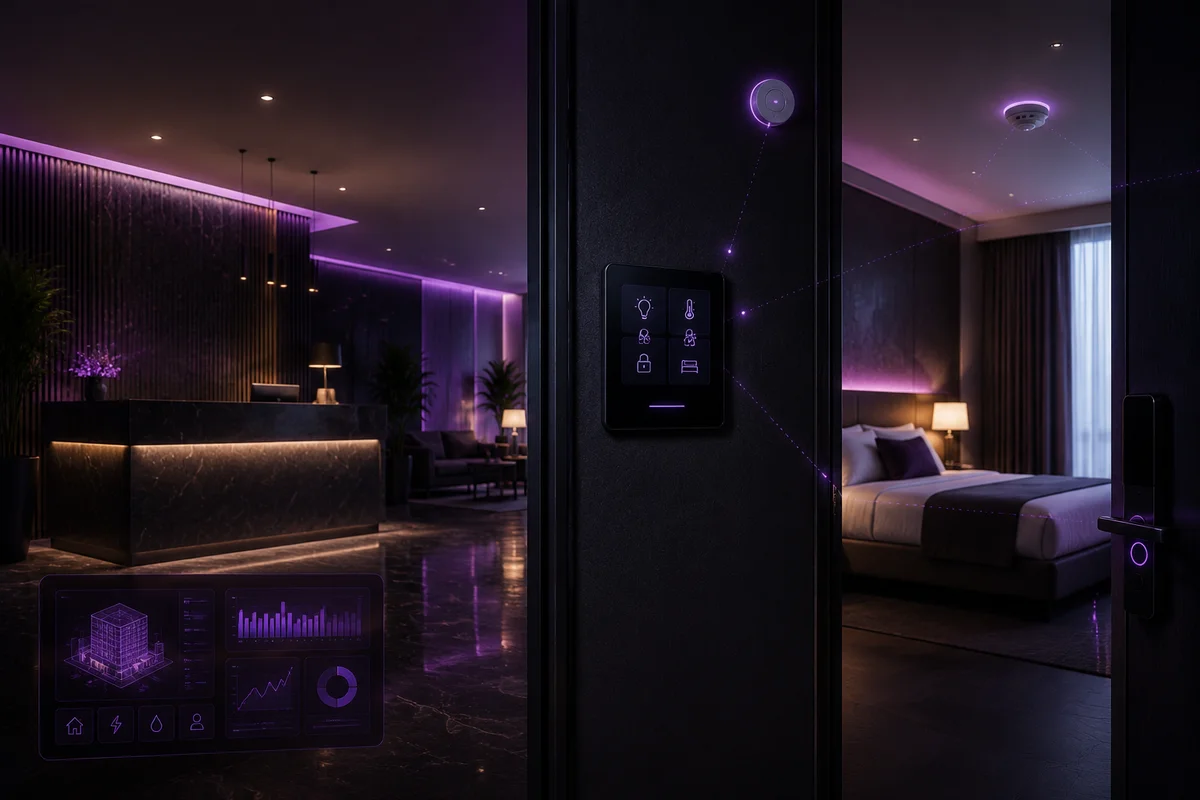
Smart Hotel Management
Smart hotel management uses IoT, room automation and data analysis to improve guest experience, energy management and staff productivity.
Read Article
Smart City
Integrating urban infrastructure with IIoT platforms for better management of city resources and services.
Read Article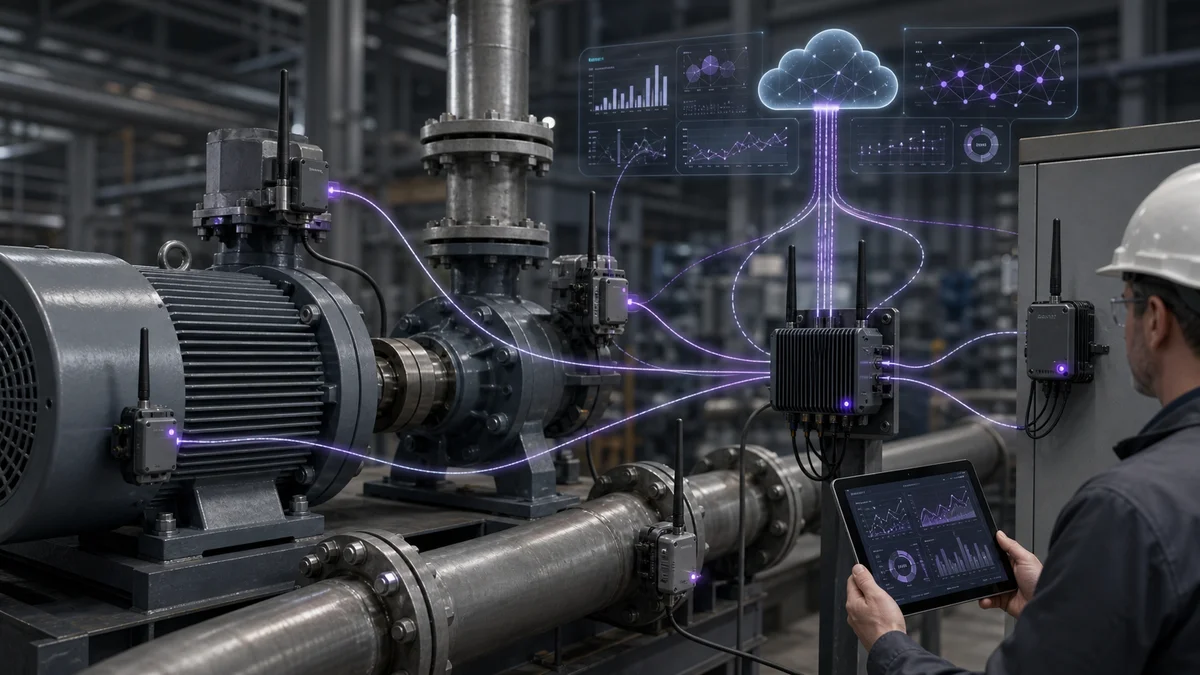
Industrial IoT (IIoT)
IIoT connects equipment, machinery and industrial sensors to a unified platform, enabling real-time monitoring, data analysis and optimized plant performance.
Read Article