In This Article
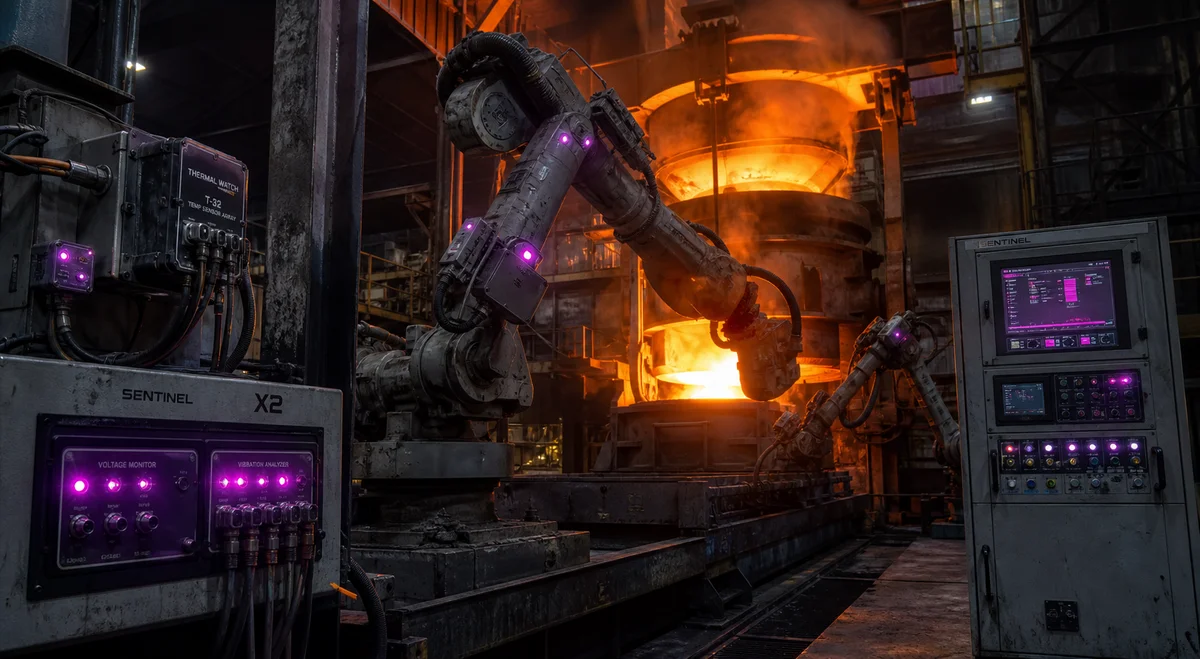
Mines and steel plants operate in a harsh, high-risk environment — dust, extreme heat, dangerous gases and heavy machinery are part of this industry's everyday challenges. Without the right monitoring tools, these conditions can lead to safety incidents, unexpected equipment downtime, and reduced productivity. Industrial IoT (IIoT), by connecting sensors, machinery and safety systems into one integrated platform, enables real-time monitoring, early warning, and data-driven decision-making for mine and plant managers. This article covers the core components of a smart steel platform and its practical applications.
Key Takeaways
- Real-time detection of hazardous gases and dangerous conditions in steel mines
- Preventive maintenance for heavy equipment through real-time vibration and temperature monitoring
- Smart management of mining machinery and fleets to boost productivity
- Production-line quality control through analysis of industrial sensor data
Safety & Productivity Challenges in Mines & Steel Plants
Many mines and steel plants still rely on manual inspection and periodic reporting to monitor environmental conditions and equipment status. This method can't catch sudden changes — such as a gas leak, a temperature spike, or a device's early failure — in time, raising the risk of safety incidents and production-line downtime.
On top of that, heavy machinery and transport fleets scattered across a wide mining area, without proper tracking and coordination tools, make managing productivity difficult. The lack of an integrated, real-time view of these processes slows managers' decision-making and drives up costs.
Components of an IIoT Platform for the Steel Industry
A smart steel platform is built from three core layers: a layer of rugged industrial sensors installed on equipment, the environment and machinery; a data-transfer layer using rugged industrial gateways built for harsh conditions; and a software layer that presents the data as dashboards and alerts for staff.
- Gas, temperature, humidity and dust sensors for continuously monitoring mine and plant environmental conditions
- Rugged industrial gateways for reliable data transfer in harsh operating environments
- A centralized software platform for data analysis, reporting and issuing smart alerts
Smart Safety in Mines & Steel Production Lines
By installing hazardous-gas, temperature and vibration detection sensors at critical points in the mine and production line, the system can issue an alert the instant a safe threshold is crossed and automatically adjust ventilation. This continuous monitoring, combined with a smart fire-alarm system and employee-location tracking, enables a faster response in emergencies and a significant reduction in incident risk.
Preventive Maintenance & Smart Fleet Management
- Real-time monitoring of vibration, temperature and wear on heavy equipment to predict maintenance needs before a failure occurs
- Tracking the location and status of machinery and transport fleets across the mine
- Smart service and maintenance scheduling based on actual performance data, not fixed timetables
- Reducing unplanned production-line downtime and extending equipment service life
Summary & the Road Ahead
Smartifying a mine and steel plant is a gradual process that can start with a single section or a single type of equipment and expand over time to the entire operation. By designing a comprehensive, home-grown IoT platform for the steel industry and mining sector, DanialMoj is ready to deliver a dedicated, practical solution tailored to each operation's real needs.
Frequently Asked Questions
What exactly does smartifying a mine and steel plant involve?
Is it feasible to use IoT sensors in the harsh environment of a mine and steel plant?
What impact does Industrial IoT have on the safety of mine and steel-plant workers?
What does it cost to implement a smartification platform for a mine or steel plant?
Want to find out how DanialMoj's IoT platform can be designed for your mine or steel plant?
Request a Free ConsultationRelated Articles
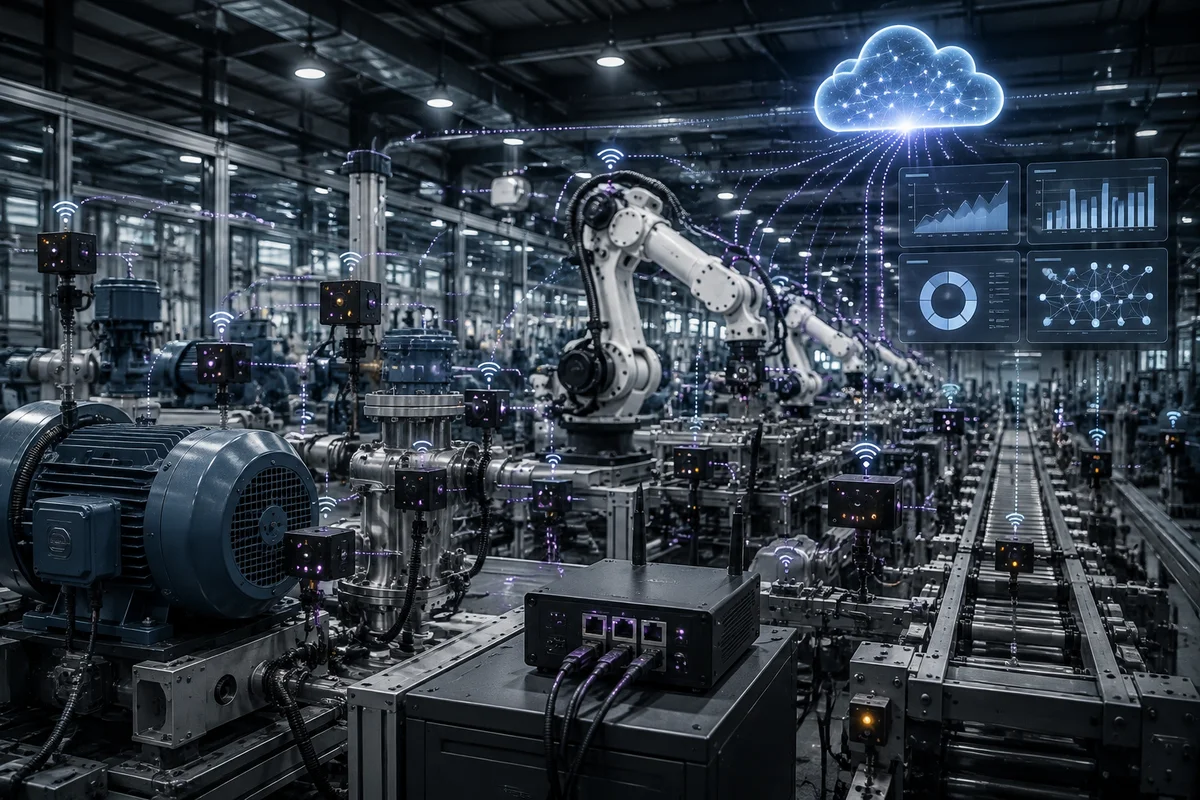
Industrial Smartification & Industry 4.0
What Industry 4.0 is and how advanced automation, IoT and data-driven production are turning production lines into a smart, competitive factory.
Read Article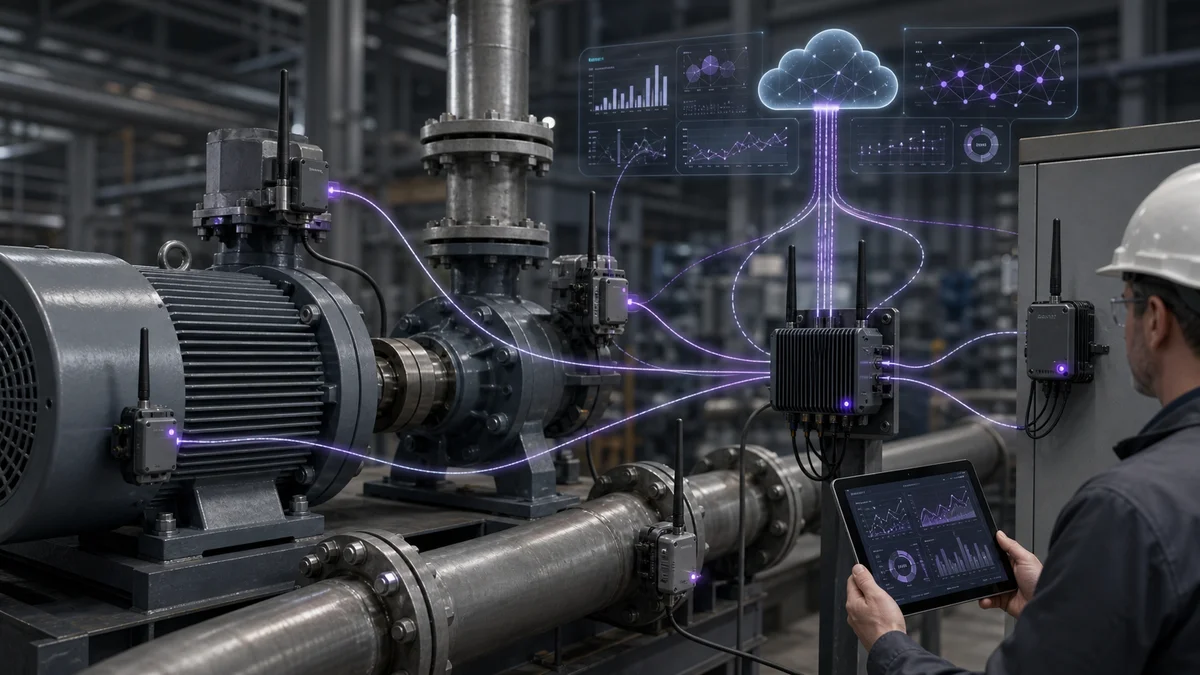
Industrial IoT (IIoT)
IIoT connects equipment, machinery and industrial sensors to a unified platform, enabling real-time monitoring, data analysis and optimized plant performance.
Read Article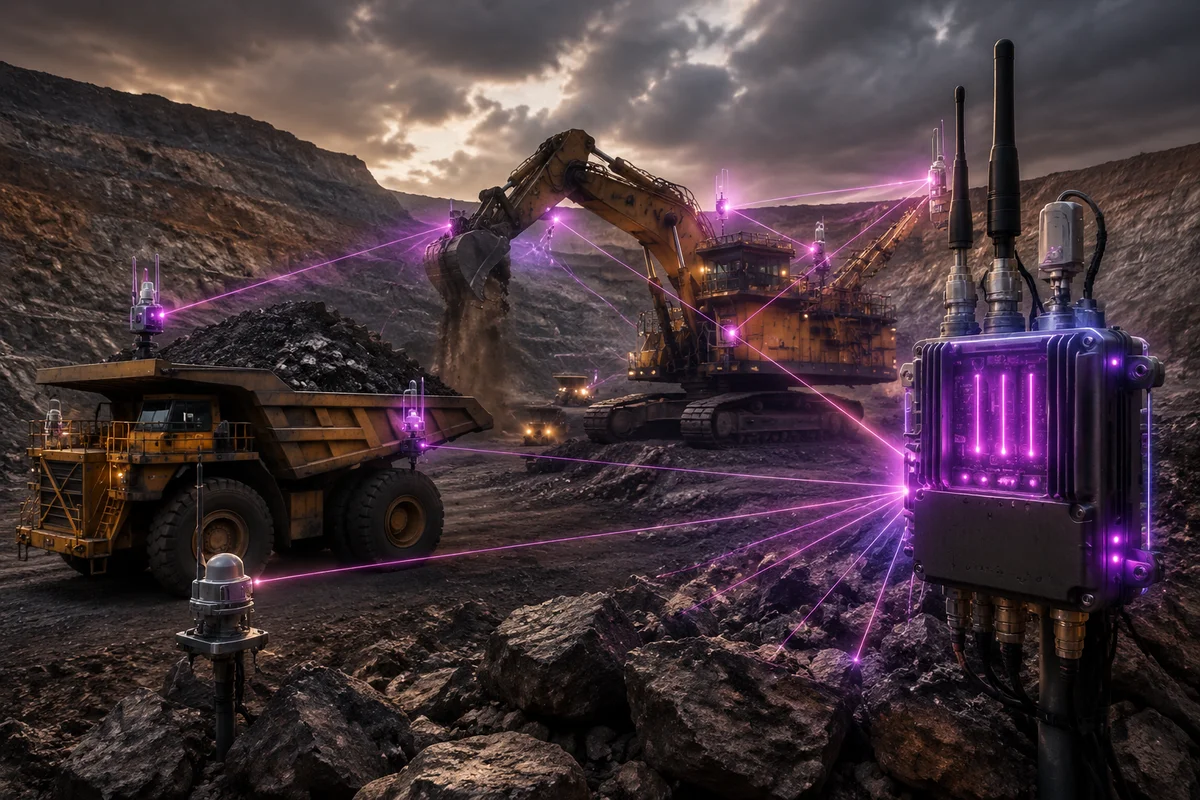
Smart Mining
Rugged industrial telecommunications and equipment monitoring in harsh mining environments to boost safety and productivity.
Read Article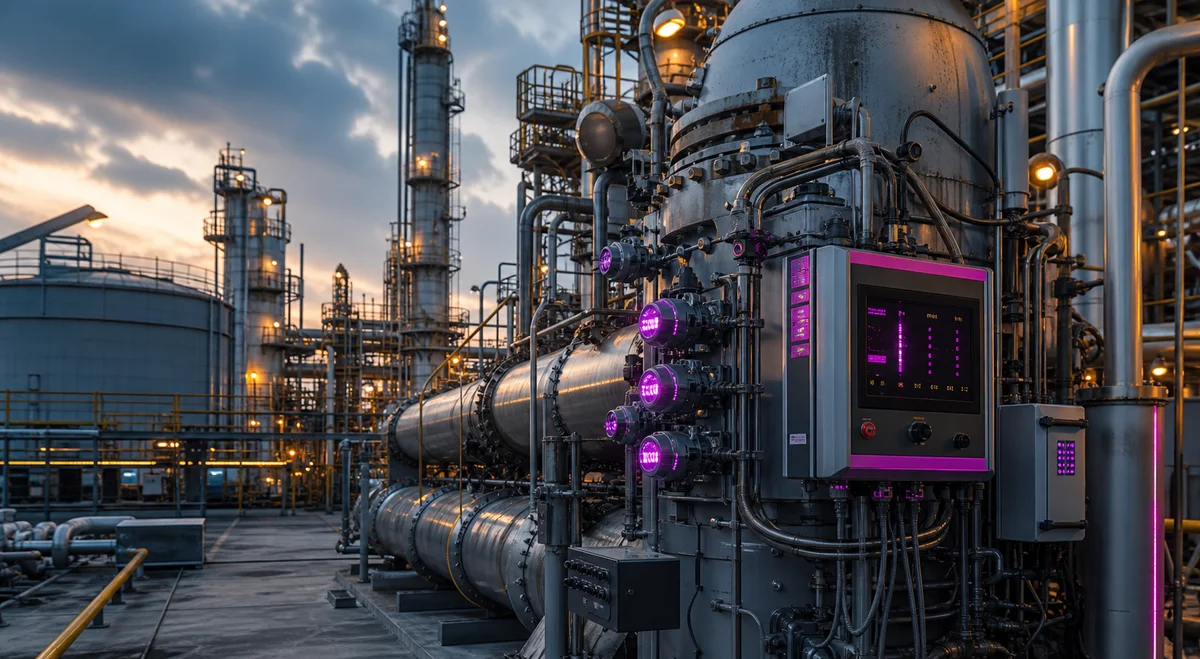
Smartifying the Petrochemical Industry
Implementing advanced telecommunication infrastructure and industrial monitoring systems to boost productivity in harsh environmental conditions.
Read Article