
In This Article
Holy shrines and religious sites host large crowds of pilgrims and staff every day, and managing lighting, temperature, security and energy use across such a large space by hand is difficult and error-prone. By connecting sensors, electrical equipment and security systems into one integrated platform, IoT enables centralized control, automatic response to events, and greater peace of mind for both pilgrims and staff; for example, during a fire, the system doesn't just alert people with an alarm — it can automatically unlock doors, call the fire department, and light up hallways. This article covers the components, features and practical applications of a smart shrine.
Key Takeaways
- Centralized control of shrine lighting, temperature and electrical equipment via a mobile app or touch panel
- Defining smart scenarios such as 'Leaving the Shrine' or an automatic response to fire and other incidents
- Real-time security monitoring with cameras, motion, door and smoke sensors for staff peace of mind
- A significant reduction in energy use and maintenance costs through sensor-data analysis
Why Shrines Need Smartification
Today there's a clear need for a simple way to coordinate shrine equipment and control it remotely — a solution that lets staff manage lighting, temperature and electrical equipment through a phone or touch panel, with no special technical skill required. Using an integrated platform also dramatically cuts smartification costs; for example, a 'Leaving the Shrine' scenario can turn off every light and close every shutter with a single tap.
Staff also need to be able to monitor the shrine environment remotely and carry out tasks like opening and closing curtains, turning switches and outlets on and off, watering plants, and adjusting ambient temperature, while being confident that every security device is working properly. A smart system needs to fully deliver comfort, peace of mind and security, and help save energy at the same time.
Core Equipment for Shrine Smartification
Smartifying a shrine requires equipment that's connected and coordinated with one another, guided by a central control system. The most important pieces of equipment include:
- Relays: the most widely used equipment in smart-shrine projects, switching power to other devices on or off
- Sensors: motion, water-leak, temperature and infrared types, tasked with collecting information and sending it to the central processor
- A wall panel: capable of connecting to heating, cooling, lighting and other equipment
- A smart thermostat: regulates indoor temperature at the shrine and controls equipment energy use
Alongside this equipment, tools such as smart locks, a smart intercom device, and security cameras are also among the most commonly used pieces of smart-shrine equipment, each playing a specific role in boosting security and comfort.
Smart Lighting, Temperature & Energy Management
Combining smart lights and thermostats, beyond having a serious impact on cooling and heating energy use, also makes it possible to define automatic programs — for example, providing the light the shrine needs automatically at sunset. By directly applying Wi-Fi technology in lighting fixtures, every single light at the shrine can be controlled individually, and some can even change color for different modes such as rest or study. Placing occupancy and light-intensity sensors in hallways and public areas also allows lighting in those spaces to be controlled automatically.
Wi-Fi-enabled smart plugs allow remote control of desk and floor lamps, while smart thermostats, by learning staff behavioral patterns, can cut annual energy use by up to 30%. Temperature and humidity sensors also continuously send environmental information to the central system so ventilation, cooling and heating systems can be automatically activated or deactivated based on predefined scenarios tailored to each space's use. In the shrine's garden and green-space areas, smart irrigation systems can also optimize water use based on plants' actual needs.
Smart Security & Safety Systems
Security is one of the most important concerns in managing a high-traffic shrine. By analyzing footage from smart cameras, the system can automatically respond or send an alert to other departments. Door and window sensors instantly notify staff of unusual entries and exits, while motion, vibration and smoke sensors round out the shrine's full security and safety coverage.
- A fire alarm and suppression system for rapid response in emergencies
- A smart solenoid valve and smart alarm siren for automatic crisis management
- A water-leak detection sensor to prevent extensive damage
- Carbon-monoxide and gas-leak detection sensors for environmental safety
All these sensors connect to a single network and are controlled by a central management system, making it possible to monitor and manage every part of the shrine — even from kilometers away, over the internet.
Summary & the Road Ahead
In a smart shrine, equipment and facilities are connected to one another and guided by a central control system — strong, secure infrastructure that responds to a variety of environmental conditions. Smart-shrine services include smart door locks, smart lighting, a smart thermostat, smart security equipment, smart irrigation, and smart switches and outlets. By designing a native IoT platform and supporting a wide range of protocols and equipment brands, DanialMoj enables dozens of services and hundreds of different smart-shrine device types to work together seamlessly, and is ready to deliver a dedicated, practical solution tailored to each shrine's or holy site's real needs.
Frequently Asked Questions
What exactly does 'smart shrine' mean?
Does smartifying a shrine require changing the physical infrastructure?
How is data from smart-shrine sensors processed?
Is it possible to define custom scenarios for each shrine?
Want to find out how DanialMoj's IoT platform can be designed for your shrine or holy site?
Request a Free ConsultationRelated Articles
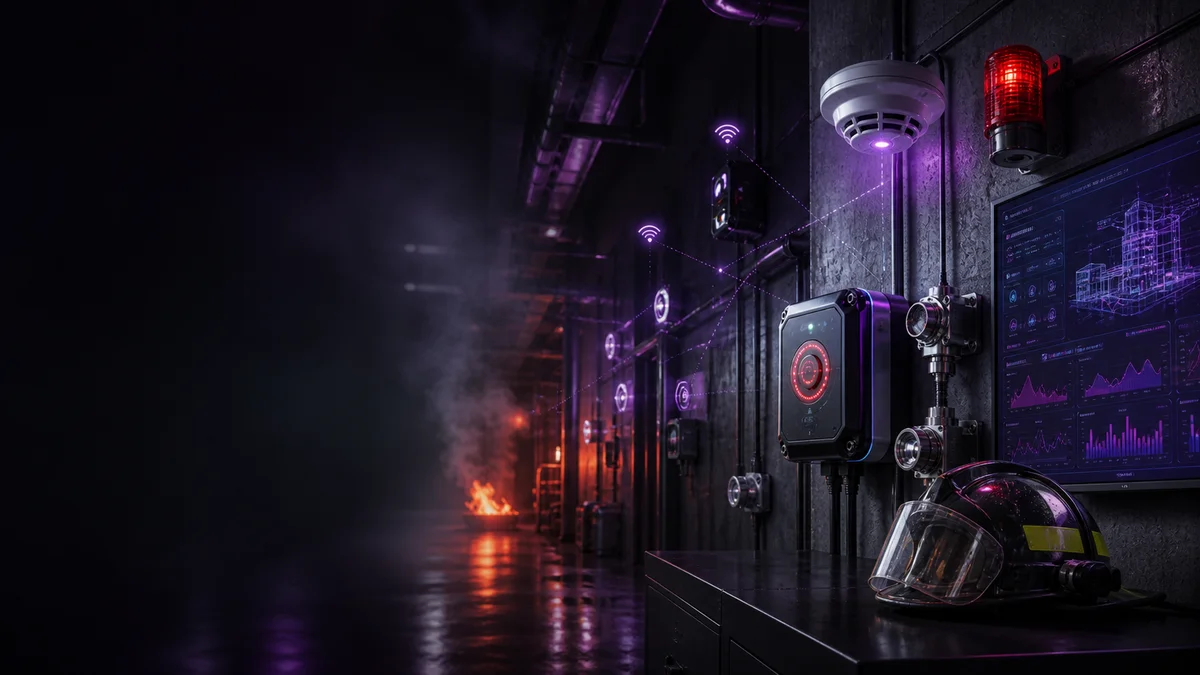
Smart Firefighting
Using smoke and heat sensors, an IoT cloud platform and AI for early fire detection and effective emergency response management.
Read Article
Smart City
Integrating urban infrastructure with IIoT platforms for better management of city resources and services.
Read Article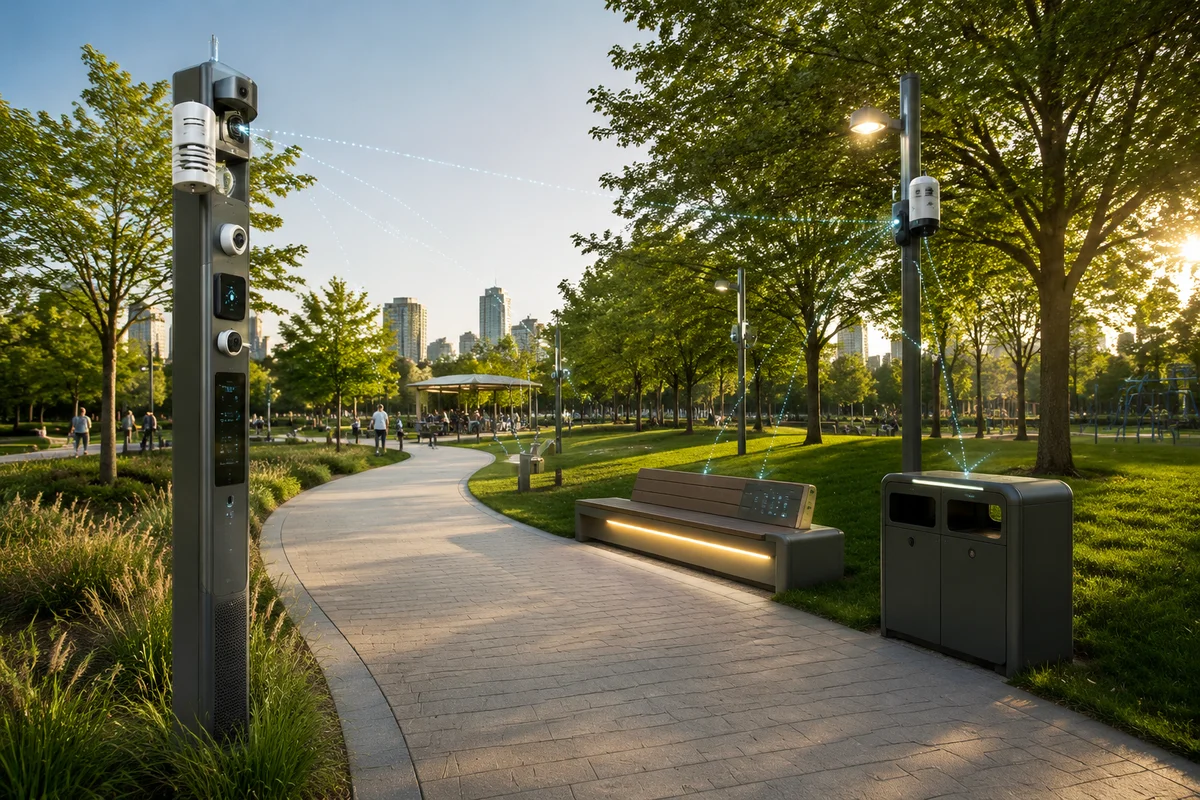
Smart Park
From smart lighting to environmental monitoring — the technologies making urban parks safer and more sustainable.
Read Article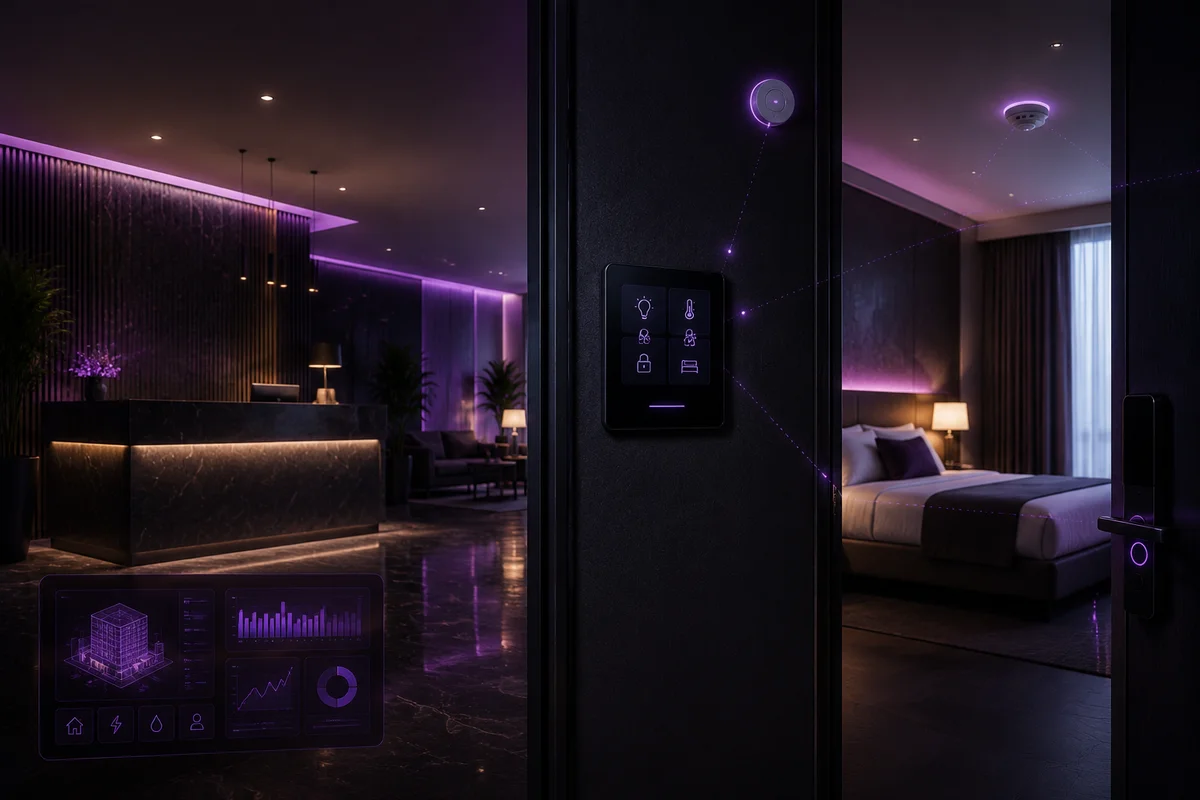
Smart Hotel Management
Smart hotel management uses IoT, room automation and data analysis to improve guest experience, energy management and staff productivity.
Read Article